
How Oncologists Use Dopplers To Monitor Tumor Blood Flow

Tumors don’t grow in isolation. As many tumors develop, cancer cells interact with nearby tissue, lymph channels, and blood vessels. Oncologists pay close attention to vascular patterns because blood flow can reveal important details about tumor behavior and tissue response.
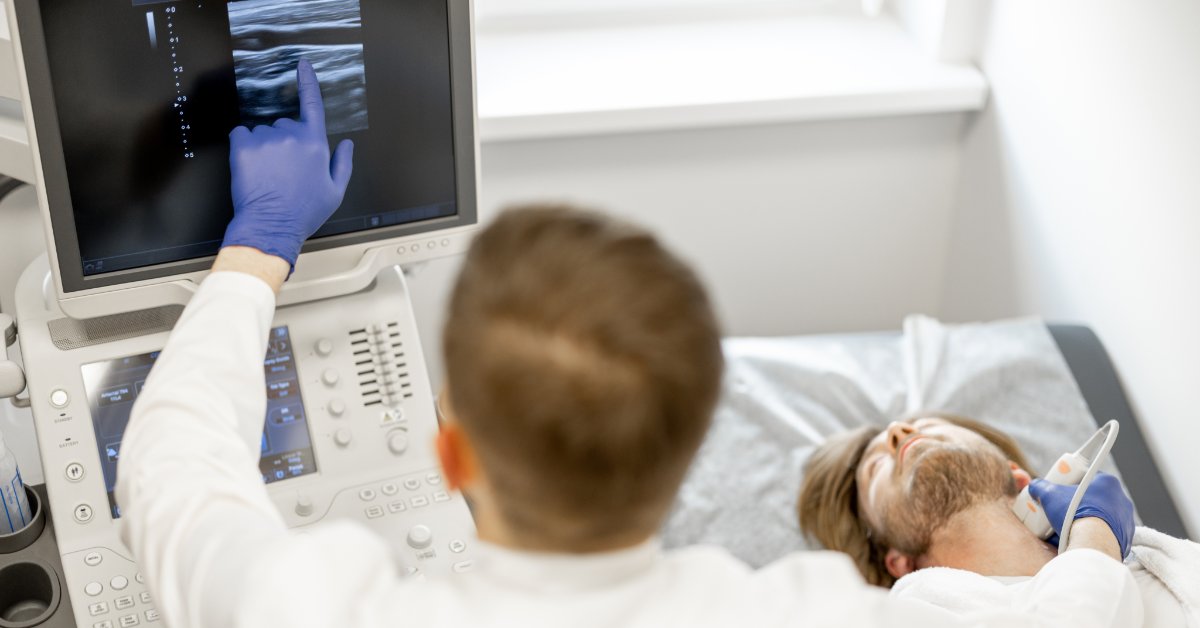
Doppler ultrasound gives clinicians a real-time way to look at blood movement without ionizing radiation. Instead of showing only the shape or size of a mass, Doppler imaging helps the care team evaluate whether blood moves through or around the area. That extra layer of information can support diagnosis, treatment planning, procedure guidance, and follow-up care.
Oncology teams don’t use Doppler findings alone. They interpret Doppler information alongside physical exams, lab results, biopsy findings, CT, MRI, mammography, or standard ultrasound when needed. Here’s a closer look at how oncologists use Dopplers to monitor tumor blood flow.
How Doppler Works
Doppler ultrasound uses sound waves to detect movement. A transducer sends sound waves into the body and receives returning echoes. When those echoes bounce off moving blood cells, the system detects a frequency shift. The ultrasound unit translates that shift into information about flow direction, flow speed, and vascular pattern.
A standard ultrasound image may show a mass’s borders, texture, and location. Doppler adds functional information by showing how blood moves within the same area. Color Doppler shows direction and general flow. Spectral Doppler displays flow as a waveform, helping clinicians evaluate velocity and resistance. Power Doppler can show low-volume or slow-flow vessels that color Doppler may not display as clearly.
In oncology settings, clinicians may use a medical-grade Doppler as part of a broader imaging workflow when they need dependable performance, consistent sensitivity, and clear signal detection. The equipment choice depends on the exam type, anatomy, practice setting, and level of vascular detail the clinician needs.
Why Tumor Blood Flow Counts
Tumors need access to nutrients and oxygen. Some tumors stimulate new blood vessel growth, while others alter nearby vessels’ appearance or function. These vascular patterns can help oncologists and radiologists determine whether a mass appears suspicious, whether a tumor involves nearby vessels, or whether a treated area shows signs of ongoing activity.
Blood flow also helps the care team separate different clinical possibilities. A simple fluid-filled cyst often shows different flow characteristics than a solid mass with internal vessels. An inflamed area can show increased flow, while scar tissue may show little or no vascular activity. Doppler doesn’t make the diagnosis by itself, but it can help narrow the clinical question.
This information can also guide conversations across specialties. Surgeons, radiologists, oncologists, and interventional teams often need a shared picture of where vessels travel and how close those vessels sit to abnormal tissue. Doppler can make that anatomy easier to discuss before a biopsy, drainage, or procedure.
What Clinicians Look For
When oncologists review Doppler findings, they don’t look for a single sign. They look for a pattern. That pattern may include internal flow within a tumor, blood flow around a mass’s edge, irregular vessels, high-speed flow, low-resistance flow, or flow that differs from the surrounding tissue.
The location of the flow can carry useful meaning. Peripheral flow around the outside of a mass may raise different questions than chaotic internal flow through the center. A lesion near a major vessel may require more detailed mapping before intervention. A tumor in the liver, thyroid, breast, kidney, or soft tissue may also raise different imaging questions because each area has its own normal vascular background.
Clinicians compare current images with prior exams whenever possible. A tumor that remains the same size but shows a changing flow pattern may still warrant attention. A treated area that shows reduced vascular signal may be consistent with the expected post-treatment picture, depending on the therapy and clinical context.
During Diagnosis
Doppler can support diagnostic workups when clinicians need more information about a mass. In breast imaging, thyroid imaging, abdominal imaging, and soft tissue evaluation, Doppler can help show whether a suspicious area has blood flow and where that flow appears. The care team may use those findings to decide whether a patient needs additional imaging, short-term follow-up, or biopsy.
Doppler also helps clinicians assess vessel involvement. Some cancers grow near veins or arteries, and a care team may need to know whether a tumor compresses, surrounds, or extends into a vessel. Color Doppler can help clinicians visualize vessel patency and flow direction during an ultrasound exam.
Needle procedures can also benefit from Doppler. Before a biopsy, the clinician can identify vascular areas and plan a safer needle path. During image-guided procedures, Doppler can help the operator avoid blood vessels while targeting useful tissue.
During Treatment And Follow-Up
Cancer treatment often alters tumor biology before changes in size appear on imaging. Blood flow can shift as tissue responds to medication, radiation, ablation, or other therapies. Oncologists may use Doppler findings as one piece of follow-up information when evaluating whether a treatment area appears active, stable, or less vascular over time.
Some therapies aim to affect the tumor’s blood supply. When clinicians monitor vascular changes, Doppler can help them observe whether blood flow within or around the tumor decreases, persists, or changes pattern. That information doesn’t replace the full oncology assessment, but it can sharpen the picture.
Follow-up care raises a practical question. Has anything changed since the last exam? A follow-up ultrasound may show a stable mass with stable flow, a shrinking area with reduced signal, or a region that needs closer evaluation because flow has increased. Oncology teams consider those changes alongside symptoms, relevant tumor markers, pathology, medication history, and other imaging.
Repeatable technique plays a major role here. Sonographers and clinicians need consistent probe placement, machine settings, patient positioning, and documentation. Without consistency, small differences can reflect technique rather than true biological change.

Benefits And Limits
Doppler provides oncology teams with real-time information, allowing clinicians to assess movement during the exam. It uses sound waves rather than ionizing radiation, which can be helpful when a patient needs repeated imaging. It can pair with standard ultrasound during the same visit, making the exam efficient for many clinical questions.
The technology also supports bedside and procedural decision-making. A clinician can locate a vessel, assess flow direction, and adjust the imaging approach while evaluating the patient. That flexibility can help in outpatient clinics, imaging departments, hospitals, and procedure suites.
Doppler has limitations, and experienced oncology teams account for them. Deep tumors, obesity, overlying gas, calcification, patient movement, and complex anatomy can reduce image quality. Very small vessels may be missed. Some slow flow can appear absent if the settings don’t match the clinical question.
Doppler also cannot identify cancer on its own. A benign lesion can show blood flow, and a malignant lesion can show limited flow in some cases. That’s why clinicians correlate Doppler findings with other evidence before recommending a diagnosis or treatment step.
A Useful Piece of the Bigger Picture
Doppler ultrasound helps oncologists see more than tumor shape. It helps the care team evaluate blood movement, vascular patterns, vessel involvement, and change over time. Those details can support diagnosis, guide procedures, inform treatment monitoring, and strengthen follow-up conversations.
The value comes from context. Doppler works best when clinicians combine it with other imaging, pathology, patient history, and oncology expertise. When the care team needs a clearer view of tumor blood flow, Doppler gives them a practical, real-time tool that can make the next clinical decision more informed.
Recent Posts
-

Must-Have Midwifery Supplies for Every Practice
Midwifery requires a careful balance of clinical preparation, mobility, organization, and patient-ce
-

Selecting a Reliable Supplier for Medical Equipment
Healthcare organizations rely on more than the products they purchase. They also rely on the compani