
A Guide to Training Patients on Proper Pulse Oximeter Usage
Patient training can turn a simple device into a more reliable part of at-home health monitoring. A pulse reading or oxygen saturation number can help patients share useful information with a care team, but only when they know how to take the reading correctly. Without clear instructions, patients may rush the process, place the device poorly, or react to a single number without context.
Healthcare professionals can prevent confusion by teaching patients proper pulse oximeter usage. Patients need simple steps, plain explanations, and clear directions on when to contact their care team. When training feels practical instead of overwhelming, patients gain confidence and providers receive more useful information.
Understanding the Device
Patients first need to understand what the device measures. Explain that pulse oximeters estimate oxygen saturation and pulse rate through a small sensor, usually placed on a fingertip. The device uses light to gather information, so placement, movement, circulation, and nail products can affect the reading.
Keep the explanation focused on use, not technical detail. Patients don’t need a full lesson on light absorption or hemoglobin to use the device correctly. They need to know that the number can support care decisions, but it doesn’t replace symptoms, clinical judgment, or instructions from a licensed provider.
This opening conversation also gives patients a chance to ask why their care team recommended monitoring. A patient with a respiratory condition may use the device differently from a patient recovering from an acute illness. The trainer should connect the device to the care plan so the patient understands when, how often, and under what conditions to take readings.
Set Expectations Early
Patients often expect one perfect number every time. That expectation can lead to worry when the reading changes slightly from one check to the next. Teach patients that readings can shift during normal activity, rest, temperature changes, and changes in breathing.
A useful training session explains trends in plain language. One reading gives a snapshot. Repeated readings taken the same way at the same times can give the care team a clearer pattern. That point helps patients avoid overreacting to a single reading while still taking concerning symptoms seriously.
Patients need clear boundaries. They should know the device can give helpful information, but it has limits. Skin temperature, poor circulation, movement, nail polish, artificial nails, and improper placement can all interfere with accuracy. Patients should also understand that symptoms deserve attention even when the number looks acceptable.
Demonstrate the Correct Setup
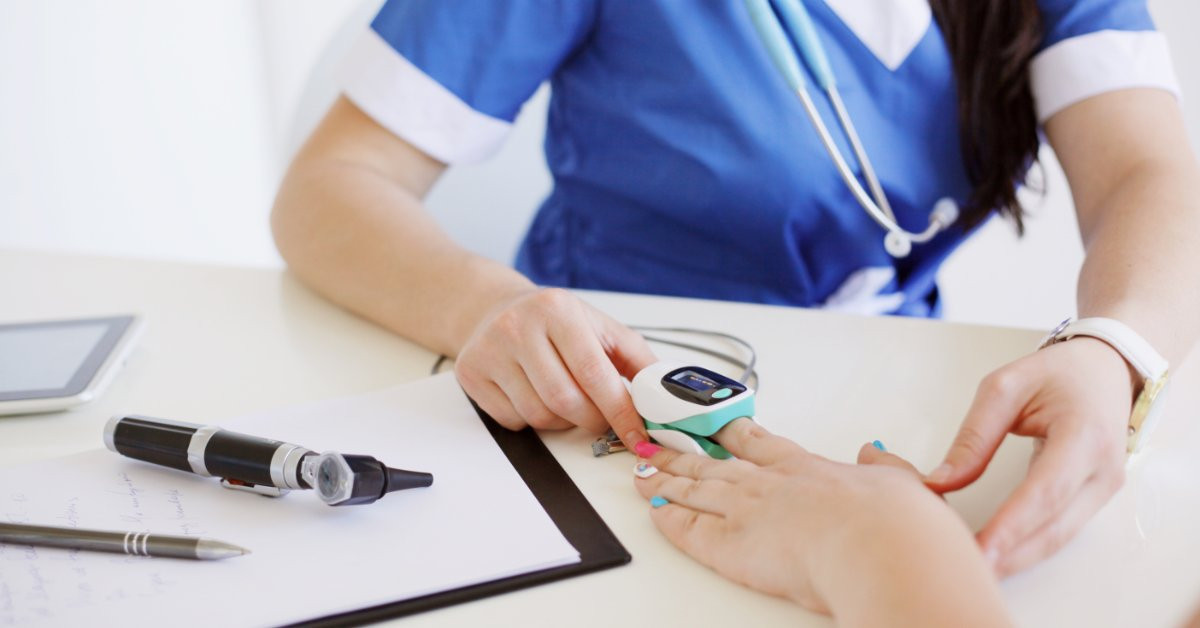
A live demonstration works better than verbal instruction alone. Start by showing the patient the device, screen, power button, and finger opening. Then walk through the setup slowly while the patient watches.
Ask the patient to sit comfortably before taking a reading. The patient should rest their hand and keep the finger still. A cold hand can interfere with the reading, so the patient should warm their hand before using the device. The finger should stay clean and free of nail polish or artificial nails when possible.
Show the patient how to place the device fully on the finger. The fingertip should reach the end of the sensor area without forcing the clip. The device should fit snugly, but it shouldn’t squeeze painfully. When the patient turns it on, they should wait for the display to stabilize before writing down the number.
Healthcare professionals who source pulse oximeters through Cascade Health Care can use the specific device model during training so patients learn on the same tool they’ll use at home.
Teach the Waiting Step
Many inaccurate home readings come from impatience. Patients may clip the device on, see the first number, and record it immediately. That number may change as the sensor detects the pulse and settles.
Train patients to wait until the numbers stop jumping around. A few seconds can make a difference. The patient should keep the hand still, breathe normally, and avoid talking during the reading. If the device struggles to find a signal, the patient can try warming the hand, adjusting the clip, or switching to another finger as directed by the care team.
This waiting step deserves emphasis because it builds consistency. When patients take every reading the same way, providers can compare results with more confidence. A rushed reading creates noise. A steady routine creates useful information.
Explain What To Record
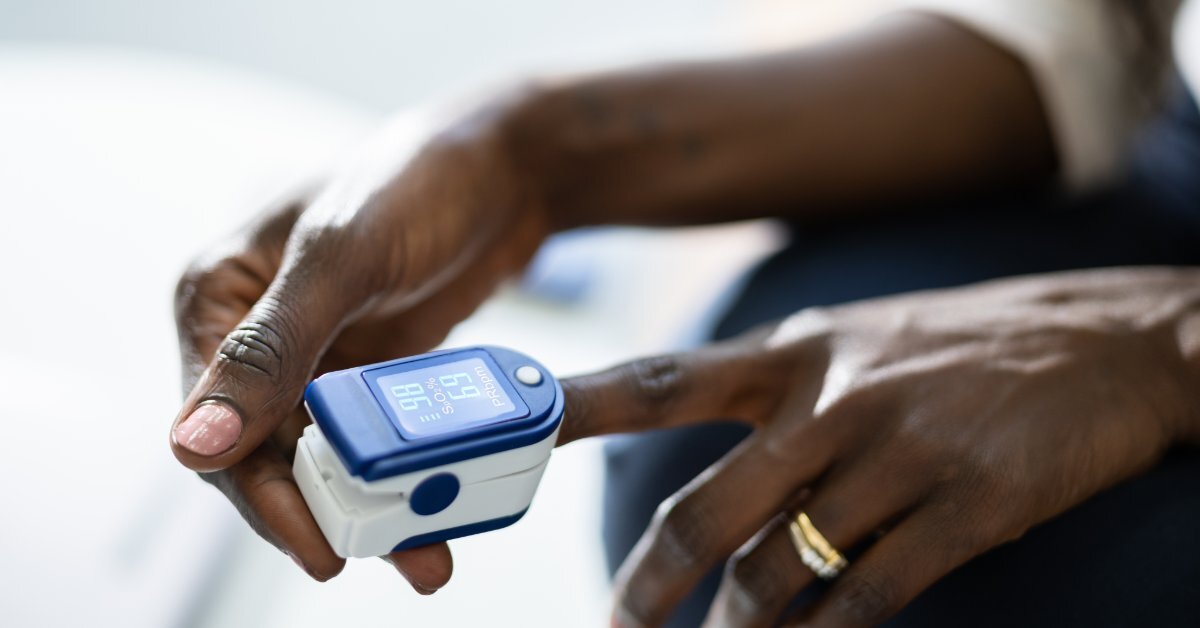
Patients need to know which numbers to track. Most devices display oxygen saturation, often labeled SpO2, and pulse rate. Some patients may confuse the two, especially if the screen changes orientation or uses small labels.
During training, point to each number on the display. Ask the patient to say what each number means. That small teach-back step helps catch confusion before the patient leaves the clinic or starts monitoring at home.
Patients should record the reading, pulse rate, date, time, and any symptoms. They should also note special circumstances, such as recent activity, shortness of breath, cold hands, or difficulty getting a stable reading. Those notes help the care team interpret the numbers with better context.

Build a Routine
A reliable routine reduces errors. Patients should take readings at the times their provider recommends. When the care plan allows flexibility, patients should choose consistent times that fit their daily schedule.
The trainer can suggest a quiet setting with good lighting and a place to write down readings. Patients should sit, rest briefly, and use the same finger when possible. They should avoid taking a reading right after walking, climbing stairs, bathing, or rushing unless their care team specifically asks for activity-related checks.
A routine helps caregivers support the patient. Family members, home health aides, or community health workers can follow the same process when they understand each step. Consistent training gives everyone the same reference point.
Address Common User Errors
Patients make predictable mistakes, and trainers can address them before they happen. Some patients place only the fingernail in the device instead of inserting the fingertip fully. Others move their hand, talk during the reading, or press buttons repeatedly when the screen doesn’t change right away.
Nail polish and artificial nails can also create problems. Dark polish, thick coatings, and artificial nails can interfere with the sensor. Cold fingers and poor circulation can make the device struggle to find a strong signal. Patients who understand these issues can troubleshoot without panic.
Also, explain battery and device care. Weak batteries can affect performance or cause the display to shut off during use. Patients should store the device in a clean, dry place, keep it away from heavy impact, and follow the manufacturer’s cleaning instructions. Good equipment habits support better monitoring.
Use Teach-Back
Teach-back gives healthcare professionals a simple way to confirm patient understanding. Instead of asking whether the patient understands, ask the patient to show the process from start to finish. This approach feels practical and respectful when the trainer introduces it as part of routine education.
The patient should prepare their hand, place the device, wait for a stable reading, identify SpO2 and pulse rate, and record the information. If the patient misses a step, the trainer can correct it right away. That immediate feedback prevents repeated errors at home.
Teach-back also helps trainers adjust communication. Some patients need larger print instructions. Others need translated materials, caregiver involvement, or a simplified recording sheet. A strong training process adapts to the person in front of the provider.
Discuss Symptoms Clearly
Patients should never rely on the device alone when they feel worse. Training should include clear instructions on what symptoms require contacting a healthcare professional or seeking urgent care. The exact threshold and action plan should come from the provider’s clinical instructions.
Patients should report concerning symptoms such as worsening shortness of breath, chest discomfort, confusion, bluish lips, severe weakness, or readings that don’t match how they feel. They should also know what to do when they can’t get a stable reading after basic troubleshooting.
Make sure to use calm, direct language during this part of the training. The goal isn’t to scare patients. The goal is to help them respond appropriately and avoid delays when symptoms call for medical attention.
Support Better Home Monitoring
Proper training helps patients use pulse oximeters with more confidence and less confusion. When healthcare professionals teach the purpose, setup, waiting step, recording process, and action plan, patients can share clearer information with their care team.
The best training doesn’t make the device seem complicated. It gives patients a simple routine they can repeat. With careful instruction and the right expectations, at-home readings can become a helpful part of communication between patients, caregivers, and healthcare professionals.
Recent Posts
-
Must-Have Midwifery Supplies for Every Practice
Midwifery requires a careful balance of clinical preparation, mobility, organization, and patient-ce
-

Selecting a Reliable Supplier for Medical Equipment
Healthcare organizations rely on more than the products they purchase. They also rely on the compani