
10 Ways Water Birth Supplies Support Infection Control
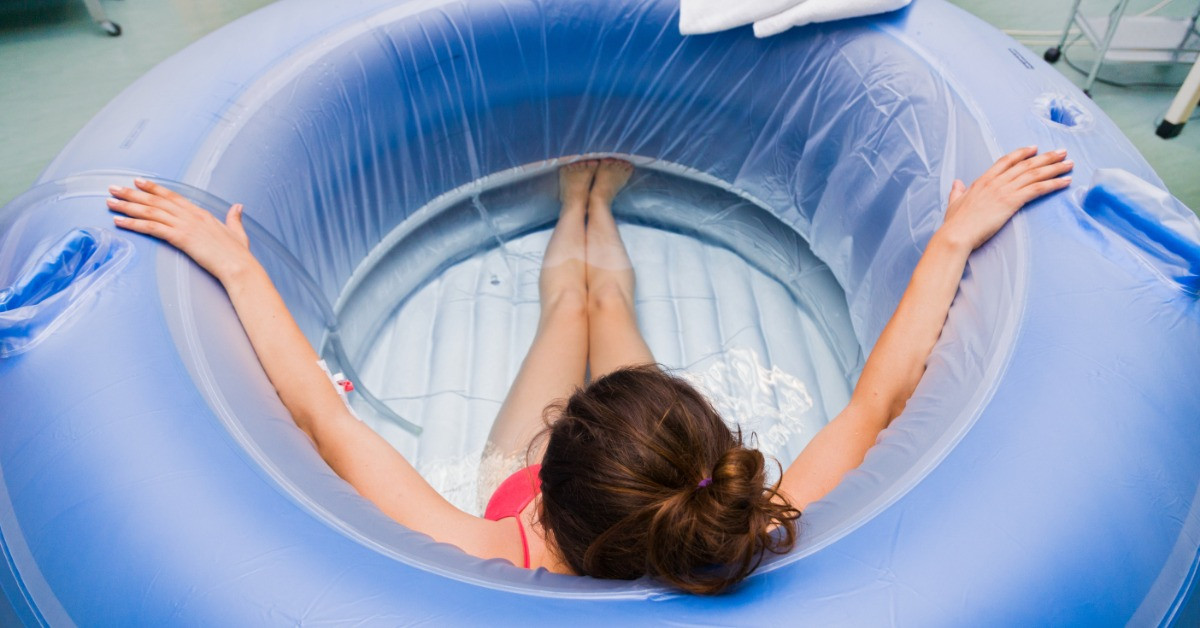
Water birth calls for calm, steady preparation. The setting may feel warm and personal, but the infection control expectations stay clinical. Every surface, supply, and workflow choice can support a cleaner environment when healthcare professionals plan with care.
For midwives, nurses, physicians, birth centers, hospitals, and other care teams, water birth supplies do more than help with setup. They help create structure around sanitation, fluid management, surface protection, and post-birth cleanup. When teams choose water birth supplies with infection control in mind, they reduce avoidable disruption and support safer care from setup through breakdown.
Clean Setup Starts Early
Infection control begins before anyone fills the tub. The team needs a clean area, clear roles, and supplies arranged in a way that limits unnecessary movement. When the setup process feels rushed, people touch more surfaces, open supplies out of order, and create extra opportunities for contamination.
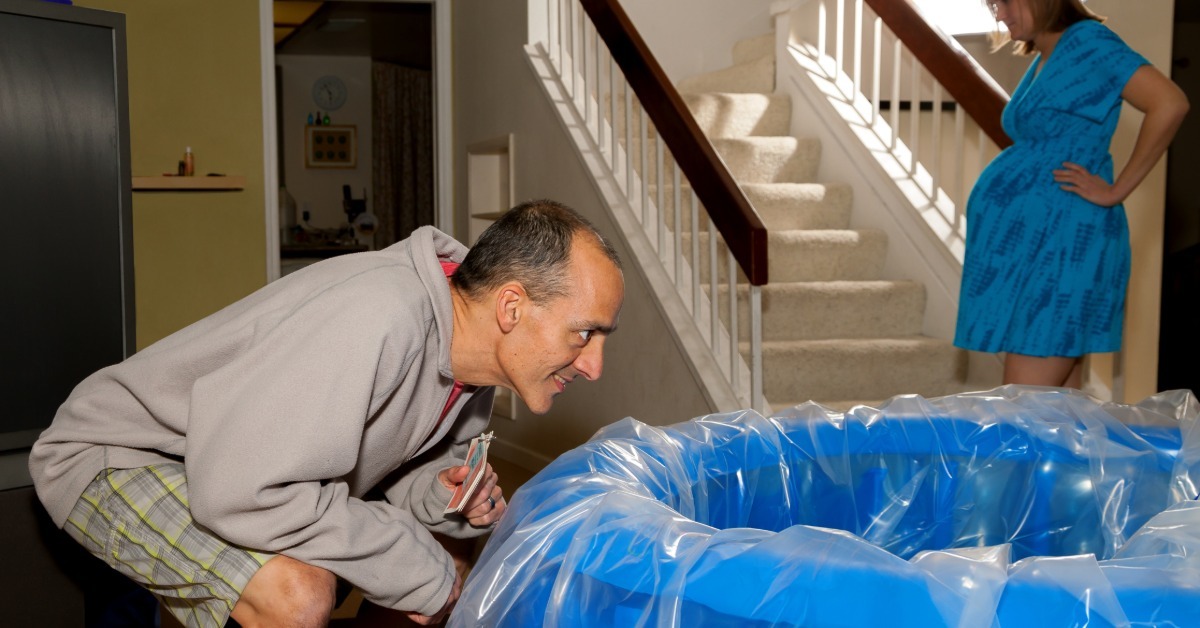
A prepared setup area helps the team separate clean supplies from items that will touch floors, plumbing, waste, or used linens. Water birth supplies should sit within reach but away from splash zones and high-traffic paths. This layout helps clinicians move with intention instead of crossing back and forth through the room.
The team should also decide who handles each part of the setup. One person can manage the tub and liner. Another can prepare the hose, water source, thermometer, and cleaning supplies. When everyone understands the sequence, the process stays smoother and cleaner.

Liners Create a Protective Barrier
A fitted liner plays a major role in infection control. It creates a fresh contact surface between the birth pool and the birthing parent. That barrier limits direct contact with the tub surface and makes cleanup more controlled after birth.
Professionals should choose liners that fit the specific tub or pool model. A poorly fitting liner can bunch, slip, tear, or expose areas of the pool. A proper fit helps the team keep the liner in place as the birthing parent enters, changes position, and exits the water.
The team should inspect the liner before use. Small tears, thin spots, or damaged seams can compromise the barrier. A quick inspection during setup helps prevent problems later, when the team needs to focus on clinical care.
Dedicated Hoses Reduce Cross-Contact
Water source management deserves close attention. A hose can pick up contaminants from storage areas, floors, sinks, and hands. When care teams reserve a hose for water birth use, they reduce the chance that it will carry debris or residue from unrelated tasks.
A dedicated hose should stay capped or stored in a clean container between uses. Staff should avoid placing hose ends on the floor or in sinks before filling the pool. The end that enters the water deserves the same careful handling as any other clean supply.
Care teams also need a plan for draining. A drain hose should not mix with a fill hose. Clear separation helps prevent clean water pathways from contacting wastewater equipment. This simple distinction supports a cleaner workflow from the first fill to final cleanup.
Disposable Supplies Support Cleaner Workflow
Single-use water birth supplies help teams manage contamination points. Items such as disposable liners, pads, gloves, underpads, and cleanup materials give clinicians a clean starting point and a clear endpoint. After use, the team can remove and discard them according to the facility or practice protocol.
Disposable supplies also help standardize setup. When each birth uses a fresh set of key materials, the team does not need to evaluate whether reusable items received proper cleaning after the last use. That predictability supports infection control, especially in busy birth centers or practices with multiple team members.
A home birth pool setup often relies on portable supplies, so disposable materials can help teams maintain clean boundaries in spaces that were not designed as clinical rooms. Professionals still need strong protocols, but the right supplies make those protocols easier to follow.
Water Temperature Tools Limit Guesswork
Water temperature affects comfort, safety, and workflow. A dedicated thermometer helps the team monitor the water without relying on touch. Hand checks can introduce unnecessary contact and may not provide enough accuracy for clinical decision-making.
The thermometer should stay clean and easy to access. Staff should avoid setting it on counters, floors, or used towels between checks. A simple storage spot near the pool helps the team use the tool consistently without adding contamination risk.
Temperature checks also help the team avoid frequent drain-and-fill adjustments. Every adjustment increases the handling of hoses, faucets, towels, and nearby surfaces. When teams monitor water carefully, they can make smaller, more controlled changes.
Skimmers Help Remove Debris Promptly
Debris can enter the water during labor and birth. A clean skimmer gives the team a practical way to remove visible material without unnecessary hand contact. This supports a cleaner environment and keeps the water more comfortable for the birthing parent.
The skimmer should remain dedicated to water birth use and use it to clean the pool according to protocol after each birth. It should not serve unrelated tasks in the clinic, birth center, or home setting. That boundary keeps the tool’s purpose clear and reduces cross-contact.
Placement also matters. If the skimmer stays near the pool in a clean container or on a clean barrier, staff can reach it without searching through bags or cabinets. Good placement keeps the response calm and efficient.
Gloves and Hand Hygiene Stay Central
Water birth supplies support infection control, but they don’t replace hand hygiene. Gloves, hand sanitizer, clean towels, and accessible handwashing options help the team maintain clean contact throughout labor and birth.
Professionals should change gloves when moving from contaminated tasks to clean tasks. For example, a clinician who handles wastewater equipment should not immediately touch clean supplies. Fresh gloves and hand hygiene help protect the setup.
The birth environment should also make hand hygiene easy. When soap, sanitizer, and trash disposal sit within a practical range, the team can follow good habits without interrupting care. Supplies work best when the room layout supports the behavior clinicians already know to follow.
Floor Protection Supports Cleaner Movement
Water birth can introduce splashes, wet towels, and movement around the tub. Floor protection helps the team manage moisture and create cleaner walking paths. It also helps prevent supplies from contacting wet or soiled surfaces.
Absorbent pads, waterproof barriers, and clean towels can help define zones around the pool. The team can use one area for clean supplies and another for used linens or waste. These zones reduce confusion during active labor, especially when multiple professionals share a small room.
Floor protection also supports safer movement. When staff can walk, kneel, and assist without stepping through puddles, they can focus more fully on care. Clean, dry pathways help the whole room function better.
Waste Management Keeps Cleanup Controlled
Post-birth cleanup should follow a clear sequence. The team needs bags, containers, gloves, and disinfecting supplies ready before birth begins. When waste management supplies sit nearby, clinicians can contain used materials right away.
Used liners, pads, gloves, and towels should move directly into the appropriate waste or laundry pathway. Teams should avoid placing used items on counters, chairs, or clean supply tables. A clean exit route for waste helps protect the room after the birth.
Draining the pool also requires attention. Staff should manage wastewater equipment carefully and keep it separate from clean supplies. After draining, the team can clean and disinfect reusable items according to the relevant protocol.
Storage Habits Protect Supplies Between Births
Infection control continues after the team packs everything away. Water birth supplies need clean, dry, organized storage. Damaged packaging, damp containers, or crowded bags can create problems before the next birth even starts.
Care teams should check expiration dates, packaging conditions, and supply levels during restocking. A missing liner, torn package, or misplaced hose cap can disrupt setup and increase unnecessary handling. Organized storage helps the next team begin with confidence.
For mobile providers, storage takes extra planning. Supplies may travel in vehicles, equipment bags, or portable bins. Clean containers, labeled compartments, and separation between clean and used items help protect supplies in transit.
Better Supplies Support Better Care
Water birth supplies play an important role in infection control. When healthcare professionals choose the right equipment and follow a clear process for setup, use, and cleanup, they create a cleaner environment without adding unnecessary complexity to the birth experience.
Liners, hoses, thermometers, skimmers, gloves, floor protection, and cleanup materials all play a practical role. Each item helps the team create clean boundaries, handle water with care, and move through setup and cleanup with fewer surprises.
Cascade Health Care provides dependable water birth supplies that help healthcare professionals prepare with confidence. When clinicians have trusted equipment and essential supplies within reach, they can spend less time managing logistics and more time supporting the birthing parent, responding to clinical needs, and creating a calm, organized birth experience.
Recent Posts
-

Pros and Cons of Custom Birth Kits vs. Pre-Assembled Kits
Preparing for a birth means thinking beyond individual products. Healthcare professionals need a rel
-
How To Choose the Best Fetal Doppler for Midwifery Practice
Choosing a fetal Doppler can feel straightforward until you start comparing models. Midwives need eq