
The Role of Pulse Oximetry in Cardiac Health Monitoring
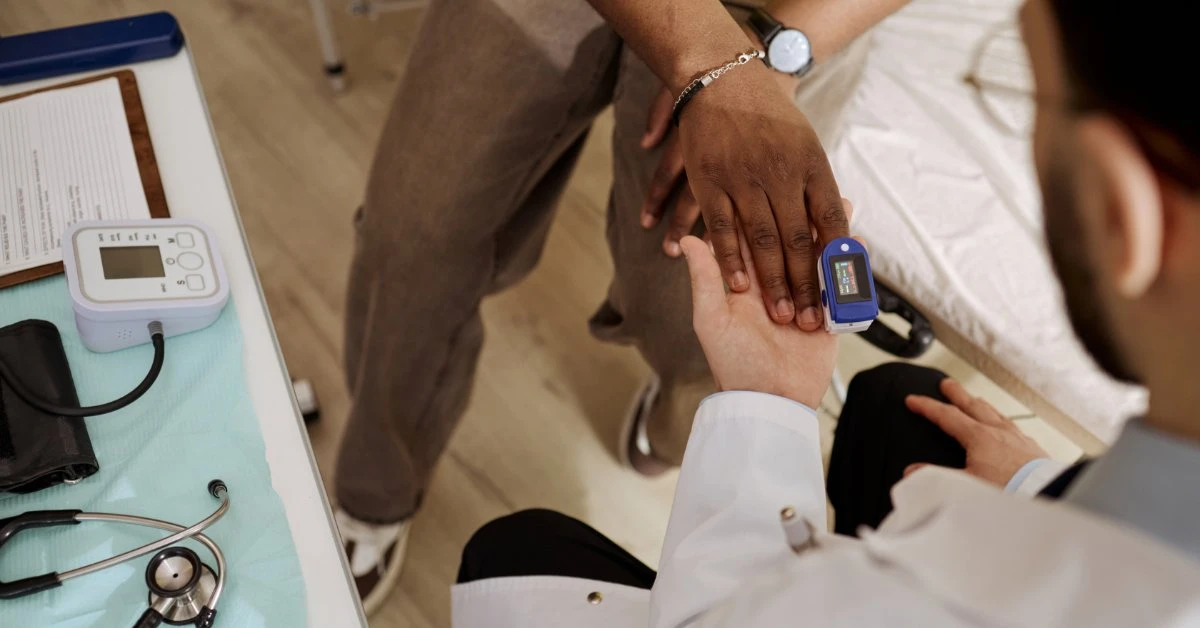
Cardiac monitoring often relies on several pieces of information that work together. Heart rate, blood pressure, respiratory status, symptoms, and oxygen saturation each provide context for a patient’s condition. Pulse oximetry gives clinicians a fast, noninvasive way to track oxygen saturation and pulse rate during routine checks, acute care, recovery, and ongoing observation.
For healthcare professionals, the value comes from context rather than a single number. A pulse oximeter can help clinicians notice changes, compare readings over time, and decide when a patient needs closer assessment. When teams interpret pulse oximetry alongside the rest of the clinical picture, the device can support a more complete view of cardiovascular and respiratory function. Check out the role of pulse oximetry in cardiac health monitoring.
Connecting Oxygen and Cardiac Function
The cardiovascular system delivers oxygen-rich blood throughout the body, so oxygen saturation can provide useful information during cardiac assessment. The heart, lungs, blood vessels, and red blood cells all contribute to oxygen delivery. When any part of that process changes, oxygen saturation may shift as well.
Clinicians often monitor oxygen saturation when evaluating patients with cardiac symptoms because reduced oxygen levels can accompany several types of cardiopulmonary stress. Pulse rate also provides useful context, especially when a clinician compares it with a separate heart rate measurement, blood pressure, respiratory rate, and observed symptoms.
A medical-grade pulse oximeter can support this work by providing quick readings in a clinical setting. The device doesn’t diagnose a cardiac condition by itself, and clinicians shouldn’t treat one reading as a complete assessment. Instead, pulse oximetry works best as one part of a broader monitoring approach.

Spotting Changes Over Time
Trends can tell clinicians more than isolated readings. A single oxygen saturation value may reflect a temporary change, movement, poor sensor contact, or other factors that affect measurement quality. Repeated readings under appropriate conditions can help clinicians determine whether a patient’s values remain stable or change over time.
That pattern can be especially useful during observation after a procedure, while a patient receives treatment, or when symptoms change. A clinician may notice that oxygen saturation falls during exertion, returns toward baseline during rest, or varies with heart rate and breathing patterns.
Pulse oximetry also supports communication among care teams. When nurses, physicians, emergency responders, and other healthcare professionals document readings consistently, they can more clearly compare changes. That continuity helps the next clinician understand the patient’s recent course without relying on memory or a single snapshot.
Supporting Acute Cardiac Assessment
In urgent and emergency settings, clinicians need rapid information. Pulse oximetry can provide useful data while the care team gathers a history, checks vital signs, performs a physical assessment, and uses other diagnostic tools.
A low oxygen saturation reading may prompt a clinician to assess respiratory effort, circulation, perfusion, or other signs of instability. A normal reading can also provide context, though it doesn’t rule out a serious cardiac problem. Patients can experience significant cardiac symptoms even with oxygen saturation within an expected range.
Pulse rate from the oximeter can add another reference point. Clinicians may compare that rate with a manual pulse, cardiac monitor, or electrocardiogram when the situation calls for additional evaluation. Differences between measurements can signal the need to check sensor placement, motion, perfusion, rhythm, or device performance.
Monitoring During Recovery
Cardiac monitoring doesn’t stop once an immediate concern passes. During recovery, healthcare professionals often monitor vital signs to detect changes in circulation, breathing, and oxygen delivery.
Pulse oximetry can help teams monitor patients after procedures, during transport, or during periods of increased observation. A clinician can compare current readings with earlier measurements and note whether oxygen saturation and pulse rate are trending in a stable direction.
This information may also help teams recognize when a patient’s condition changes unexpectedly. A change in oxygen saturation, especially when it occurs with new symptoms or changes in other vital signs, can prompt reassessment. Clinicians still need to interpret the reading in the full clinical context because pulse oximetry cannot explain the cause of a change.
Understanding Device Limits
Pulse oximetry offers speed and convenience, but clinicians must recognize its limitations. Motion, poor peripheral circulation, cold extremities, nail products, sensor fit, ambient light, and other factors can affect measurement quality. Device performance can also vary across clinical conditions.
Skin pigmentation can affect pulse oximeter accuracy, especially at lower oxygen saturation levels. Healthcare professionals should remain vigilant for readings that do not align with the patient’s appearance, symptoms, or other clinical findings. When a reading conflicts with the rest of the assessment, clinicians should investigate rather than rely on the display alone.
Professionals also need to consider where and how they use the device. A clinical environment may require durable equipment, clear displays, dependable sensors, appropriate alarm functions, or compatibility with established workflows. The right features depend on the setting, patient population, and how the team plans to use it.

Choosing Equipment for Clinical Use
Device selection can affect workflow, consistency, and confidence in routine monitoring. Healthcare organizations may compare specifications such as measurement range, display format, battery life, sensor options, portability, alarm capabilities, and manufacturer guidance.
A medical-grade pulse oximeter may suit settings that require professional monitoring features and equipment that manufacturers design for repeated clinical use. Buyers should review product specifications carefully and match the device to the needs of their facility, department, or response team.
Cascade Health Care offers pulse oximeters and related diagnostic equipment for healthcare professionals and organizations. When clinicians or purchasing teams compare options, they can focus on the features that support their workflow rather than selecting a device based on a single specification.
Using Readings in Context
Pulse oximetry works best when clinicians combine it with direct observation and other patient data. Oxygen saturation and pulse rate can add valuable information, but they do not replace a physical assessment, cardiac monitoring, blood pressure measurement, or other diagnostic tools when those tools fit the clinical situation.
Healthcare professionals can also improve consistency by following manufacturer instructions, using compatible sensors, placing the sensor correctly, and checking readings that appear inconsistent. Good technique helps clinicians reduce avoidable measurement problems and interpret trends with greater confidence.
Communication also plays an important role. When care teams document oxygen saturation alongside symptoms, activity level, oxygen support, and other relevant findings, the number becomes easier to interpret. Clear documentation gives future readers the context they need to understand what the reading meant at that point in care.
A Practical Part of Cardiac Monitoring
Pulse oximetry gives healthcare professionals a convenient way to monitor cardiac health. Its greatest value comes from how clinicians use the information alongside symptoms, vital signs, clinical observations, and other monitoring tools.
For cardiac care, no single reading tells the whole story. Clinicians gain more useful insight by tracking trends, questioning unexpected values, and linking pulse oximetry data to the patient’s broader condition. With thoughtful use, pulse oximetry can support efficient monitoring across routine care, urgent evaluation, recovery, and ongoing observation.
Recent Posts
-

Pros and Cons of Custom Birth Kits vs. Pre-Assembled Kits
Preparing for a birth means thinking beyond individual products. Healthcare professionals need a rel
-

How To Choose the Best Fetal Doppler for Midwifery Practice
Choosing a fetal Doppler can feel straightforward until you start comparing models. Midwives need eq