
Essential Breastfeeding Teaching Tools for Lactation Support

A new parent understands what a good latch is but still wonders where to place their hands. During a prenatal class, several families may ask the same question about positioning. Verbal explanations only go so far when everyone needs to see the movement.
Effective teaching materials help healthcare professionals turn those moments into practical lessons. Models and visual resources give parents something concrete to examine before they try a technique themselves. A thoughtful collection helps educators meet diverse learning needs. In busy clinics, these resources also help staff provide consistent explanations. Keep reading to explore essential breastfeeding teaching tools for lactation support.
Start With Hands-On Learning
Lactation teaching tools work best when they support conversation rather than replace it. A model gives educators a way to demonstrate an unfamiliar movement without asking a tired parent to practice it immediately. Parents can ask questions before trying the movement.
First, determine what the parent already knows. Someone preparing for a first baby may benefit from basic positioning demonstrations. A parent returning for follow-up support may need a closer look at a specific challenge. Address that concern instead of presenting every available tool.
Explain Anatomy With Breast Models
A realistic breast model can make anatomy easier to discuss. Cloth models let educators demonstrate breast support and explain how an infant approaches the breast during feeding. Some models reveal internal structures or include features that represent common breast concerns. A model that parents can handle may invite questions that a distant poster never prompts.
Use the model to explain the nipple and areola without unnecessary jargon. When parents ask about engorgement or changes in breast tissue, a model provides clinicians with a visual starting point for the conversation. The demonstration complements clinical assessment when parents report persistent pain.
Practice Positions With Infant Dolls
A poseable infant doll helps parents see how an infant’s body fits against their own. Educators can demonstrate the cradle or cross-cradle hold while explaining how close contact and comfortable alignment support feeding. In group classes, everyone can follow along with the demonstration. Educators can change positions slowly so participants see how each adjustment affects the hold.
After the demonstration, invite parents to practice holding the doll. Watch how they support the neck and bring the doll closer. Small adjustments often make more sense when parents can feel the position in their arms. Choose a doll with flexible limbs so parents can practice realistic holds.

Make Latch Lessons Visible
An infant hand puppet offers a different way to demonstrate proper latch. Models with movable mouths help educators show how an infant opens wide and approaches the breast. Pair the puppet with a cloth breast model to demonstrate different angles. An educator can repeat the movement without interrupting a live feeding.
Pause during the movement to explain what the parent should observe during a feeding. Use the model to compare shallow and deeper attachments, then invite questions. The puppet illustrates technique, but ongoing discomfort still requires clinical assessment.
Show Early Milk Volumes
Small amounts of colostrum sometimes worry new parents. Pocket-sized volume models and newborn stomach displays can help educators explain why early milk quantities differ from later feeding amounts. Showing the small volume gives parents a clearer reference. Pocket models suit brief appointments, while tabletop displays help educators explain the concept to a class.
Use these displays to start a discussion about normal changes during the early feeding period. Avoid treating a model as a universal measure of an individual infant’s needs. Clinical observation should guide individual assessment. A simple display works best when the educator connects it to the parent’s specific question.
Demonstrate Hand Expression
Hand expression can feel difficult to explain through words alone. A soft breast model shows hand placement and gentle compression before parents practice. An illustrated tear pad can reinforce the movement after the appointment. At follow-up visits, clinicians can revisit the illustration when questions arise.
Educators can explain the purpose of the technique and demonstrate the sequence at a comfortable pace. Offer parents the opportunity to rehearse with the model. Respect personal boundaries throughout the session. A demonstration should never pressure anyone to expose their body or try a technique before they feel comfortable.
Keep Charts Within Reach
Charts help educators communicate information that parents may want to revisit later. Positioning illustrations can compare different holds. A visual about feeding cues can help families recognize behaviors that signal an infant’s interest in feeding.
Keep charts within reach during conversations, not as background decoration. Choose clear images and legible labels. When families speak different languages, provide translated materials whenever possible. Choose visuals that reflect diverse families and feeding experiences.
Clarify Milk Storage
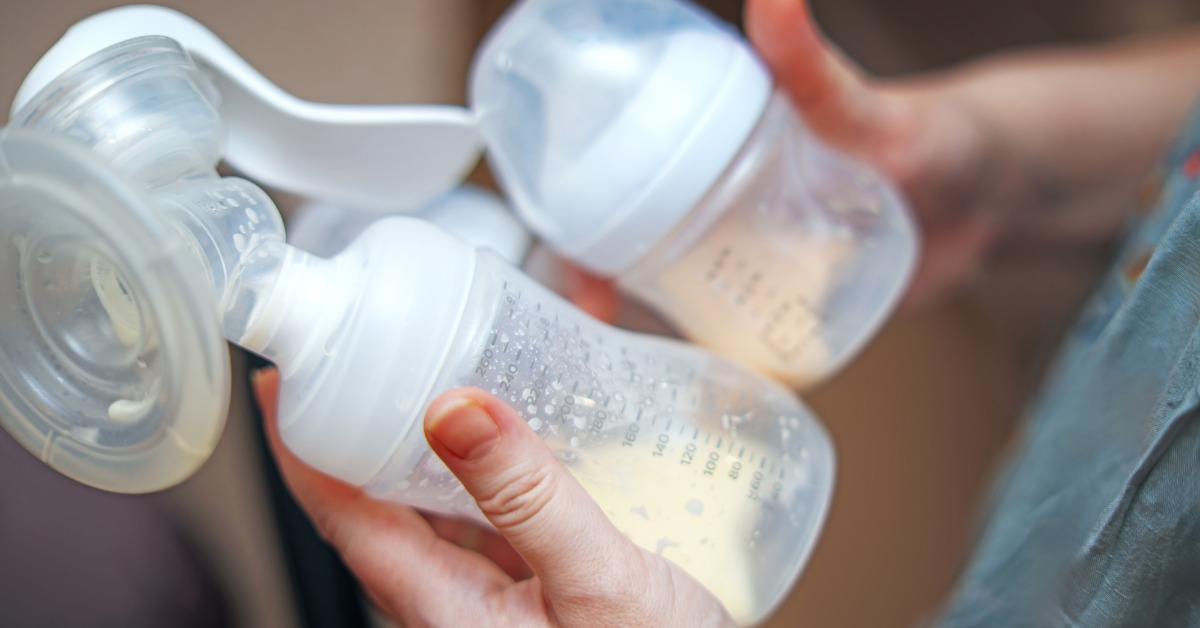
A storage handout or refrigerator magnet helps families after a pumping lesson. Educators can use it to discuss labeling containers and planning for milk storage away from home. A sample container makes the lesson practical.
Before distributing any printed resource, review it against current public health guidance. Storage recommendations can change, and some infants need individualized instructions. Instead of asking parents to memorize detailed limits during an appointment, show them where to find reliable information later. A handout supports, rather than replaces, professional advice.
Prepare for Common Questions
Breastfeeding questions extend beyond latch. Families may ask what changes to expect in infant stools or how milk composition evolves during lactation. Specialized visual displays can help an educator introduce these subjects without overwhelming the conversation.
Use displays that address the parent’s concerns. For example, a stool comparison model can show variations in appearance while reminding families to seek clinical advice about concerning changes. Keep the lesson focused rather than overwhelming families.
Match Tools to the Setting
In hospitals, sturdy models must withstand frequent handling. Community health teams often prefer compact models for outreach appointments, while independent lactation consultants may favor models they can demonstrate up close.
Consider storage and cleaning needs, as well as whether parents can comfortably handle the models. Review the manufacturer’s care instructions before selecting materials for frequent group sessions. A large classroom display might work beautifully during a workshop yet prove awkward in a small consultation room. Choose equipment that fits your teaching workflow.
Make Every Lesson Interactive
A demonstration becomes more useful when parents have time to respond. After demonstrating a position, ask what feels comfortable or what feels confusing. Invite them to repeat the movement with a doll if they wish. Their questions can help you adjust the lesson in real time.
Keep sessions focused on one goal at a time. Overwhelmed parents may best remember one practical adjustment. End with a brief review of what the parent wants to practice and where they can find follow-up support.
Build a Practical Toolkit
Essential breastfeeding teaching tools help knowledgeable professionals provide compassionate, practical lactation support. Pair breast models with infant dolls to connect anatomy with positioning. Then offer visual reminders families can revisit after appointments.
Identify where hands-on demonstrations could improve your instruction. Cascade Health Care carries breastfeeding education models and displays for professional educators. Explore the collection to find resources that fit your clinical setting and help make each teaching conversation more approachable.
Recent Posts
-
Comparing Fingertip vs. Handheld Pulse Oximeters
A pulse oximeter can provide helpful information within seconds, but the device a clinician chooses
-

Essential Breastfeeding Teaching Tools for Lactation Support
A new parent understands what a good latch is but still wonders where to place their hands. During a