
Comparing Fingertip vs. Handheld Pulse Oximeters

A pulse oximeter can provide helpful information within seconds, but the device a clinician chooses can shape the entire assessment. Some teams need a compact tool for routine vital signs. Others need equipment that accommodates a wider range of patients or offers more detailed displays.
Fingertip and handheld pulse oximeters both estimate blood oxygen saturation and measure pulse rate. Yet their designs support different clinical workflows. Understanding those differences helps healthcare professionals select equipment that fits their patients without paying for features they rarely use.
How the Designs Differ
Fingertip pulse oximeters combine the sensor and display in one small clip. A clinician places the clip on a compatible finger and waits for a stable signal before reading the result. Most models prioritize quick spot checks rather than extended monitoring.
Handheld systems typically use a separate monitor and a connected sensor. The clinician can select compatible probes for different patient groups, depending on the model. Some handheld devices also display additional measurements or signal information. The larger housing doesn’t automatically indicate greater accuracy, since performance depends on the specific device and sensor.
Fingertip Convenience
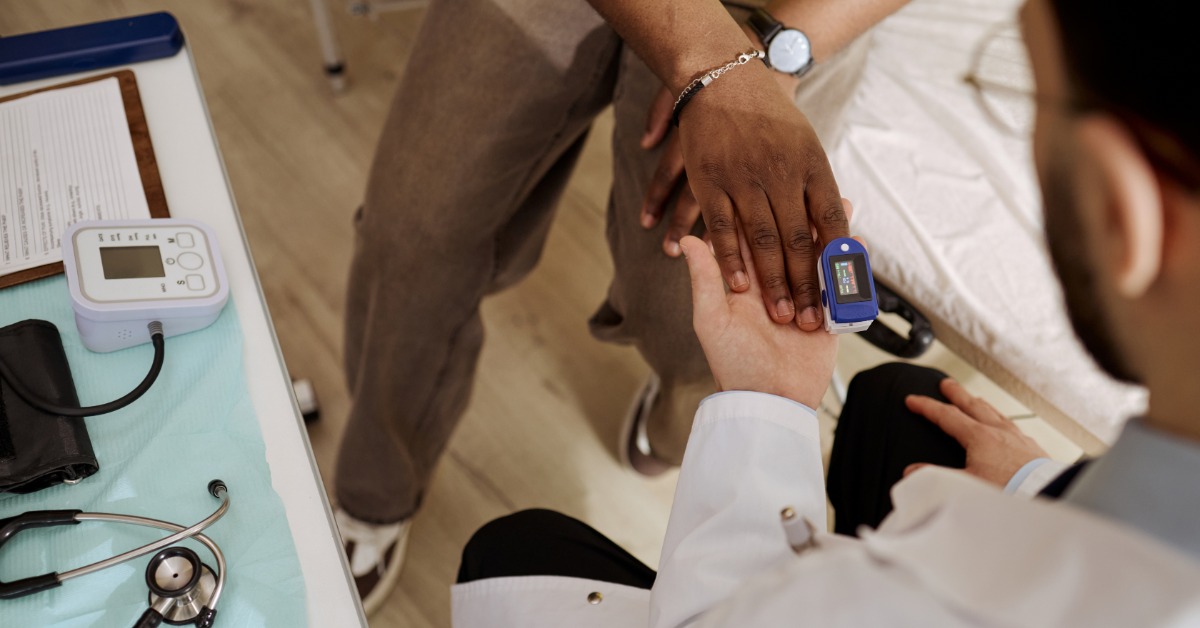
For a busy outpatient practice, a fingertip oximeter can make routine assessments straightforward. Its compact size lets staff carry it between exam rooms without moving a separate monitor. The familiar clip design also takes little time to explain to patients.
When buying for clinical care, distinguish medical-purpose fingertip devices from models marketed solely for general wellness. That convenience works particularly well when clinicians need occasional readings from adults or older children. Check each model’s approved patient range, though. A standard adult finger clip won’t necessarily fit a small child’s finger, and clinicians shouldn’t assume it suits newborns.
Handheld Versatility
A handheld oximeter offers flexibility when the same team cares for patients with different needs. Instead of relying on an integrated finger clip, clinicians can choose among the sensor options that the manufacturer supports. This makes the equipment useful for practices that regularly see both adults and infants.
Some models include larger screens or display a pulse waveform alongside oxygen saturation. Others offer features that support more complex monitoring workflows. Compare individual specifications before purchasing, since handheld models differ substantially. A larger device isn’t always a continuous monitor.
Sensors for Newborns
Neonatal care highlights one of the biggest differences between the two designs. A neonatal pulse oximeter needs a monitor and sensor combination that the manufacturer specifically approves for newborns. Clinicians often use appropriately sized multisite sensors on a baby’s hand or foot rather than a conventional fingertip clip.
For newborn critical congenital heart disease screening, teams should choose hospital-grade equipment that supports their screening protocol. Cascade Health Care offers the Masimo Rad-G handheld oximeter with both a reusable adult/pediatric finger sensor and a newborn multisite sensor. That combination lets a practice use one compatible monitor across different patient groups while keeping the correct probe available.
Accuracy and Signal Quality
Neither design guarantees a trustworthy reading in every situation. Movement and reduced blood flow can interfere with the signal. Skin pigmentation can also affect accuracy, so clinicians should review the manufacturer’s performance information instead of assuming every model behaves alike.
Sensor fit deserves attention as well. A loose or poorly positioned probe may produce unstable values, regardless of the screen’s size. Some handheld models provide waveforms or signal-quality indicators that help clinicians evaluate the measurement. If a reading conflicts with the patient’s clinical presentation, the care team should reassess rather than rely on a single number.
Spot Checks or Monitoring
The intended monitoring duration deserves its own purchasing decision. Fingertip oximeters usually serve short assessments. Some handheld systems also focus exclusively on spot checks, while others support continuous monitoring with configurable alarms.
For example, the current Masimo Rad-G spot-check model that Cascade Health Care carries does not include alarms. Teams that need continuous monitoring should choose equipment whose manufacturer specifically supports that purpose and confirm the available alarm functions. A portable screen alone doesn’t make a device appropriate for unattended observation. Match the monitoring plan to the clinical setting and the patient’s needs.
Reading the Display
During a quick examination, a clear oxygen saturation value and pulse rate may provide everything a clinician needs from the device. Fingertip models often keep those numbers prominent, making the display easy to check at a glance.
Handheld devices may show a pulse waveform or perfusion indicator that helps staff assess the signal. A visible pulse waveform, for instance, can help clinicians recognize irregular signal patterns. Decide which readings your team will use in practice, then compare displays in person when possible. Extra numbers only help when staff understand their purpose.
Cleaning and Reuse
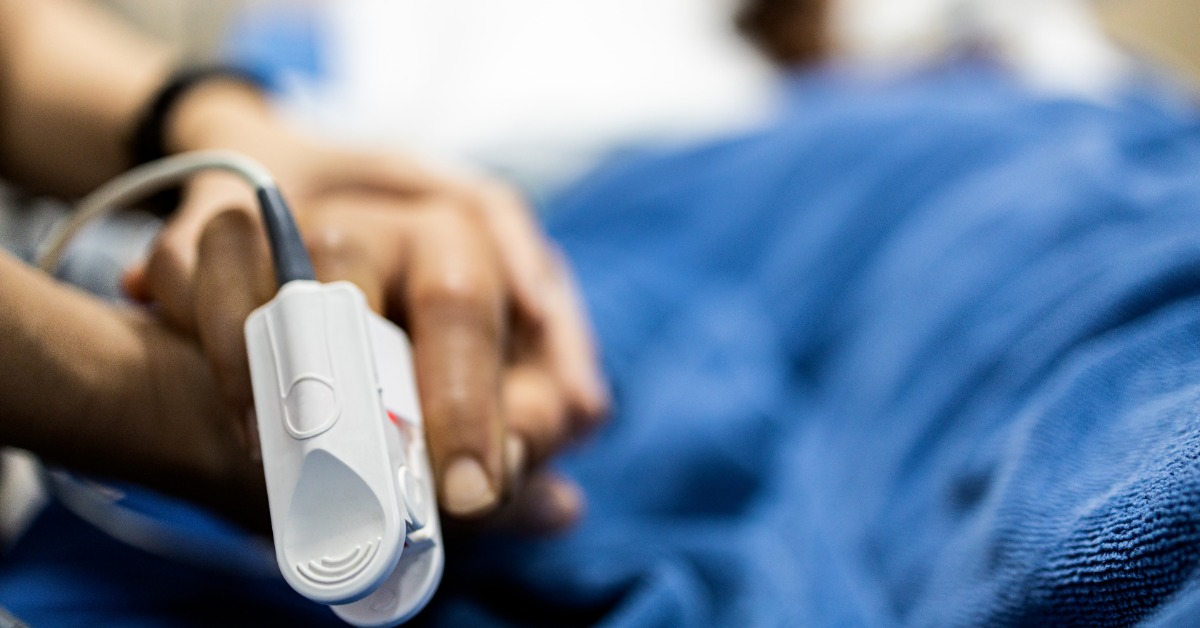
Shared equipment needs a realistic cleaning routine between patients. Fingertip devices have fewer separate pieces, but staff still need to clean the finger contact surfaces according to the manufacturer’s instructions. Check whether the housing tolerates your facility’s approved cleaning products.
Handheld systems introduce additional considerations because the cable and sensor may contact different surfaces. Some models accept reusable probes, while others offer disposable options. Review cleaning directions for each component rather than treating the entire system the same way. A straightforward process supports consistent room turnover without creating unnecessary supply waste.
Power and Portability
Both designs can travel with clinicians, although they create different demands. A fingertip unit slips into a pocket or equipment bag and typically needs little storage space. That can be helpful during mobile assessments or when several exam rooms share supplies.
A handheld system usually needs room for its monitor and sensor cable. Many models use rechargeable batteries, which means staff must establish a dependable charging routine. Consider how the equipment will move between locations and where clinicians will store spare probes. A convenient carrying setup can prevent delays during a busy shift.
Costs Beyond the Device
Fingertip oximeters often have a lower upfront price, making them practical for teams that need several basic spot-check units. The purchase price alone shouldn’t drive the decision, though. A cheaper device offers limited value if its intended patient range doesn’t fit the practice.
Handheld monitors typically require a larger upfront investment. Sensor replacements and compatible cables can incur ongoing costs. At the same time, reusable sensors may reduce recurring supply costs when staff follow proper cleaning procedures. Compare warranty coverage and replacement-part availability before selecting equipment for frequent clinical use.
Find the Right Fit
Start with the patients your practice serves most often and the tasks clinicians perform each day. A primary care office that checks adult vital signs occasionally may prefer a professional fingertip model. A birth center or hospital team that assesses newborns will likely need more flexible sensor options.
Invite the clinicians who will use the equipment to review the choices. Ask whether they need quick readings or monitoring capabilities, and confirm which probes support their patients. Those practical questions can prevent an expensive mismatch between the device and the work.
Choose With Confidence
Fingertip and handheld pulse oximeters both have a place in clinical care. Fingertip models emphasize convenience for compatible patients, while handheld systems can offer broader sensor choices and more detailed information. The best fit depends on the device’s approved uses, not its size alone.
When you’re ready to compare options, explore Cascade Health Care’s professional pulse oximeters and compatible accessories. Selecting equipment around your team’s daily workflow can make every assessment more efficient and informed.
Recent Posts
-
Comparing Fingertip vs. Handheld Pulse Oximeters
A pulse oximeter can provide helpful information within seconds, but the device a clinician chooses
-

Essential Breastfeeding Teaching Tools for Lactation Support
A new parent understands what a good latch is but still wonders where to place their hands. During a