
Cleaning and Sterilization Tips for Reusable Vaginal Specula
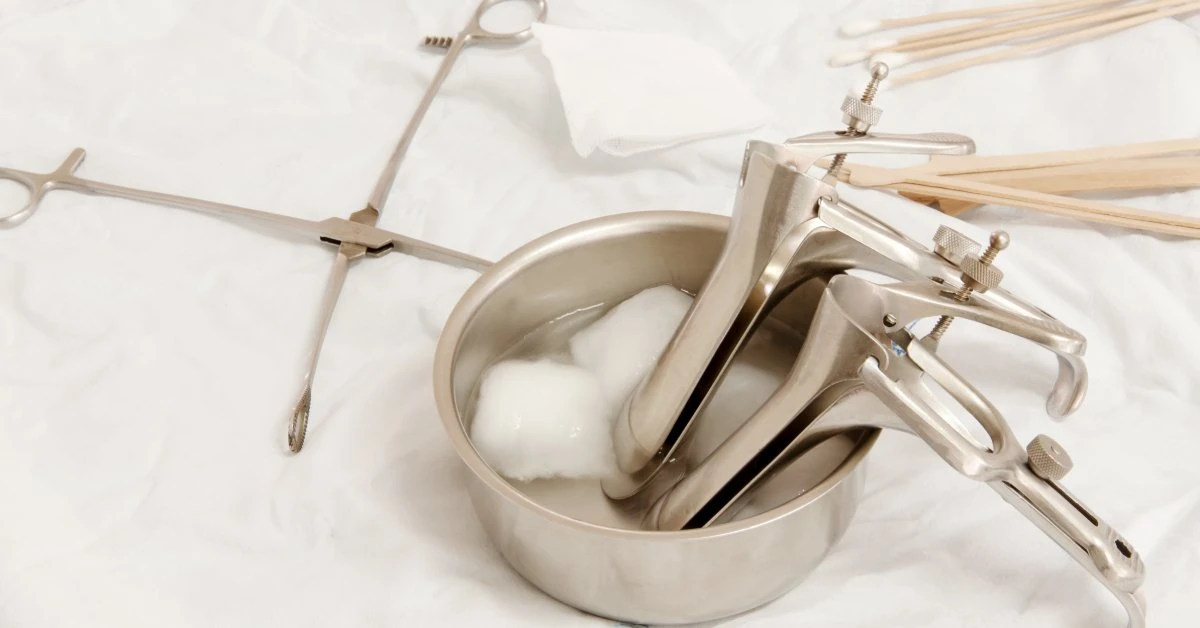
Reusable vaginal specula play an important role in many clinical settings, from community health centers and private practices to hospitals, public health programs, and training environments. When clinicians use these tools often, cleaning and sterilization routines need to feel clear, consistent, and realistic for the pace of daily care.
A good process does more than keep instruments ready for the next appointment. It helps teams protect patients, preserve equipment, and reduce confusion across use, cleaning, storage, and setup. Everyone who handles instruments should understand where each step begins, where it ends, and who is responsible for each part of the process.
Reusable vaginal specula can serve a practice well when the team follows the following cleaning and sterilization tips. A clean, organized workflow supports confidence before, during, and after each exam.
Start With the Instructions
Every reusable instrument comes with manufacturer instructions for use, and those instructions should guide the cleaning and sterilization process. A vaginal speculum may look simple, but material, hinge design, finish, and construction can affect how staff clean and sterilize the instrument.
Some vaginal specula tolerate steam sterilization. Others may require specific handling, detergents, temperature limits, drying instructions, or inspection steps. Staff should keep current instructions close to the cleaning area, not buried in a file that no one checks during a busy day.
Teams also need to follow facility policies, state requirements, and any relevant infection control procedures. A strong routine starts when the practice connects the manufacturer’s instructions with internal protocols. That connection helps staff avoid shortcuts, guesswork, and inconsistent habits.
Clean Before Sterilizing
Sterilization works best after thorough cleaning. Staff should remove visible soil, body fluids, lubricant, and residue before they move the instrument into the next stage. When residue stays on a surface or inside a hinge, it can interfere with the sterilization process and make the instrument harder to inspect.
Cleaning should begin as soon as practical after use. Delays can allow debris to dry on the instrument, which makes removal more difficult. A designated holding area also helps staff keep used instruments separate from clean supplies.
Teams should handle every used pelvic exam tool with the same level of care and caution. Gloves, eye protection, and other required protective equipment help protect staff during cleaning. Clear separation between dirty and clean areas also helps prevent cross-contamination during the workday.
Use the Right Cleaning Method
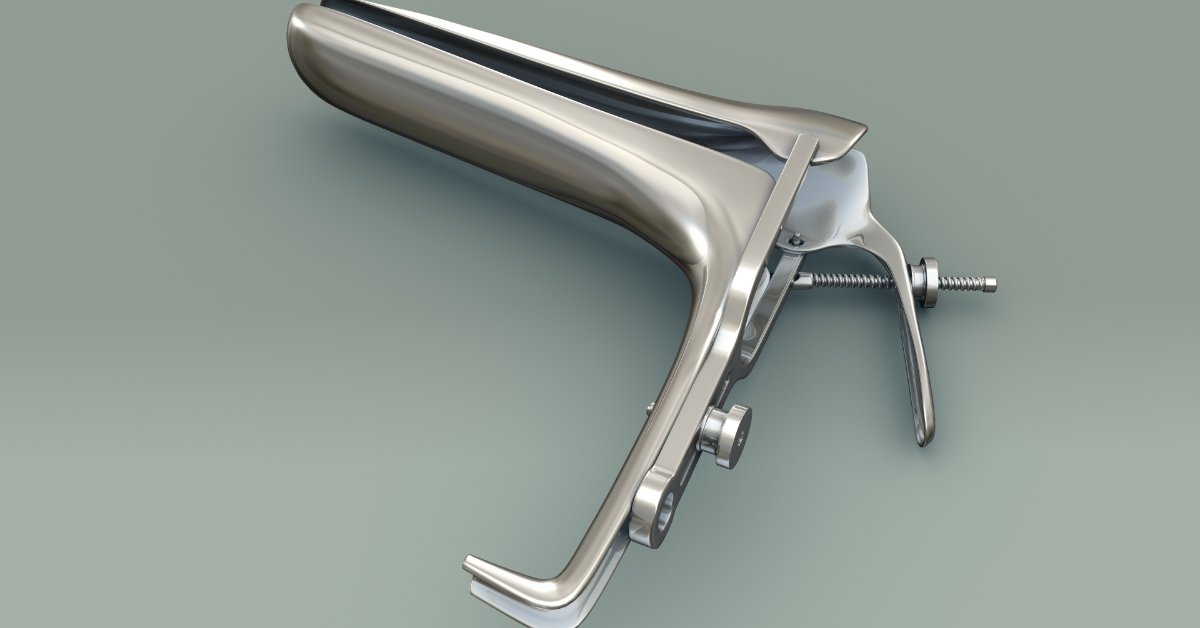
Manual cleaning often starts with a rinse or soak, depending on the manufacturer’s instructions and facility policy. Staff should use approved detergents or enzymatic cleaners when the instructions call for them. They should also follow the recommended dilution, contact time, water temperature, and rinsing steps.
A soft brush can help remove debris from hinges, bills, screws, and other small areas. Staff should avoid abrasive tools that can scratch or damage the surface. Scratches can collect residue and make future cleaning harder.
If the practice uses ultrasonic cleaning equipment, staff should follow the equipment instructions and instrument instructions closely. Ultrasonic cleaning can help loosen debris from hard-to-reach areas, but it doesn’t replace careful inspection. Staff should still check each instrument after cleaning and before sterilization.
Inspect Every Speculum
Inspection gives staff a chance to catch problems before an instrument returns to patient care. A reusable speculum should open and close smoothly. The hinge should move freely without sticking. The blades should align properly. The surface should look clean and free of visible soil, stains, cracks, rough spots, or corrosion.
If staff find damage, they should remove the instrument from use and follow the practice’s process for replacement or evaluation. A damaged speculum can make cleaning harder and may affect patient comfort during an exam.
Good inspection habits also help practices manage inventory. When teams track recurring problems, they can identify when instruments need replacement, when staff need training, or when cleaning products may not suit the instrument material.
Rinse and Dry With Care
Rinsing removes detergent and loosened debris after cleaning. Staff should follow the instrument instructions for water quality and rinsing technique. If residue from cleaning products remains on the surface, it can affect the next step and may shorten the usable life of the instrument.
Drying also deserves attention. Moisture left on an instrument can create problems during packaging, storage, or sterilization. Staff should dry hinges and small areas thoroughly, using a method approved by the facility and manufacturer.
A rushed drying step can undermine an otherwise strong cleaning routine. When staff build enough time into the workflow, they reduce the chance that wet instruments move into packaging or storage.
Package Instruments Correctly
Packaging protects instruments after sterilization and helps staff identify clean, ready-to-use supplies. Practices should use packaging materials that match the sterilization method. Staff should avoid overloading pouches, trays, or packs because crowded instruments may not receive proper exposure during the cycle.
Each package should allow the sterilant to reach the instrument surfaces. Staff should position the speculum according to facility policy and the manufacturer’s instructions. If a hinged instrument needs to remain open during sterilization, staff should prepare it that way before packaging.
Labels, indicators, and tracking details also support accountability. Staff can record the sterilizer, cycle, date, and load information according to the practice’s policy. Clear records help teams respond quickly if a cycle fails or if a question comes up later.
Follow Sterilizer Procedures
Sterilizers need correct loading, cycle selection, maintenance, and monitoring. Staff should never choose a cycle based on habit alone. They need to match the cycle to the instrument, packaging, and sterilizer instructions.
Overloading can block exposure and drying. Poor placement can create wet packs or incomplete cycles. Staff should leave enough space for circulation and follow the sterilizer manufacturer’s loading guidance.
Monitoring also plays a central role. Chemical indicators, biological monitoring, printouts, logs, and maintenance records all support quality control. When a cycle fails or a monitor shows a problem, staff should follow the facility’s written response process before they release instruments for use.
Store Clean Specula Properly
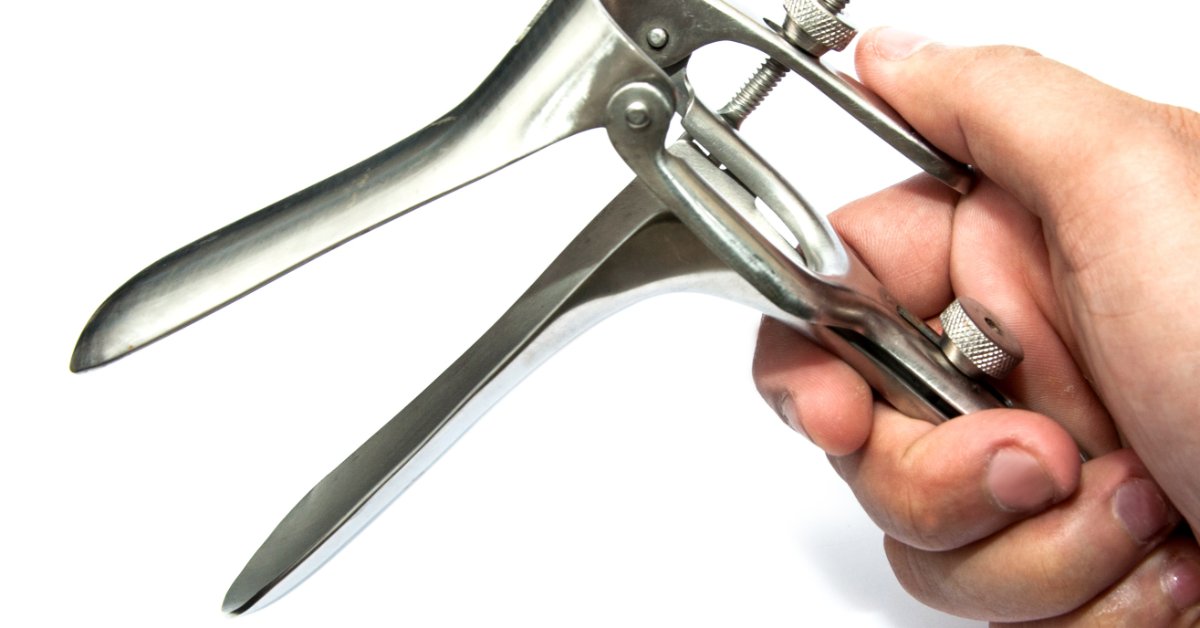
Storage will protect the work staff already completed. Clean and sterilized instruments should stay in a clean, dry, organized area away from splash, dust, and handling by unauthorized staff. Packages should remain intact until staff need the instrument for patient care.
Staff should check the packaging before use. Torn, wet, opened, or damaged packaging should trigger removal from the clean supply area. The team should reprocess the instrument according to policy rather than take a chance during a patient visit.
Good storage also helps with inventory rotation. Staff can place newer packs behind older packs when policy allows. This habit helps the practice use supplies in an organized way and reduces waste from damaged or forgotten packs.
Choose Supplies That Fit the Workflow
The right supplies can support cleaner, smoother routines. Practices need enough reusable specula to keep patient care moving while used instruments move through cleaning, sterilization, cooling, storage, and setup. Too few instruments can pressure staff to rush.
Reliable trays, pouches, cleaning brushes, approved detergents, protective equipment, and sterilization accessories also help teams maintain consistency. When buyers select supplies, they should consider the full workflow instead of choosing instruments in isolation.
Cascade Health Care supports healthcare professionals with a range of medical instruments and professional healthcare products that fit clinical and educational settings. For teams that manage reusable vaginal specula, practical purchasing decisions can make daily reprocessing easier to standardize.
Avoid Common Shortcuts
Shortcuts often start small. Someone skips a close inspection. Someone overloads a sterilizer. Someone stores a package in a crowded drawer. Over time, those habits can weaken the process and create confusion for the team.
Staff should avoid wiping and storing an instrument without full reprocessing. They should avoid mixing clean and used tools in the same space. They should avoid using products that the manufacturer hasn’t approved for the instrument. They should also avoid returning damaged instruments to exam rooms.
A strong culture makes it easy to speak up. When staff see a missed step, damaged package, failed indicator, or questionable instrument, they should know how to stop the process and correct the issue.
Keep the Process Practical
Reusable vaginal specula can offer long-term value when a practice maintains a dependable cleaning and sterilization process. The routine should feel practical, repeatable, and clear enough for every trained team member to follow.
Start with the manufacturer’s instructions. Clean thoroughly before sterilization. Inspect each instrument. Package, sterilize, monitor, and store with care. Train staff so they understand both the steps and the reasons behind them.
When teams take the process seriously, they support safer care and smoother appointments. Clean instruments, organized systems, and confident staff help each exam begin with the level of professionalism patients deserve.
Recent Posts
-

Pros and Cons of Custom Birth Kits vs. Pre-Assembled Kits
Preparing for a birth means thinking beyond individual products. Healthcare professionals need a rel
-

How To Choose the Best Fetal Doppler for Midwifery Practice
Choosing a fetal Doppler can feel straightforward until you start comparing models. Midwives need eq