
A Guide to Doppler Probe Types and Frequencies
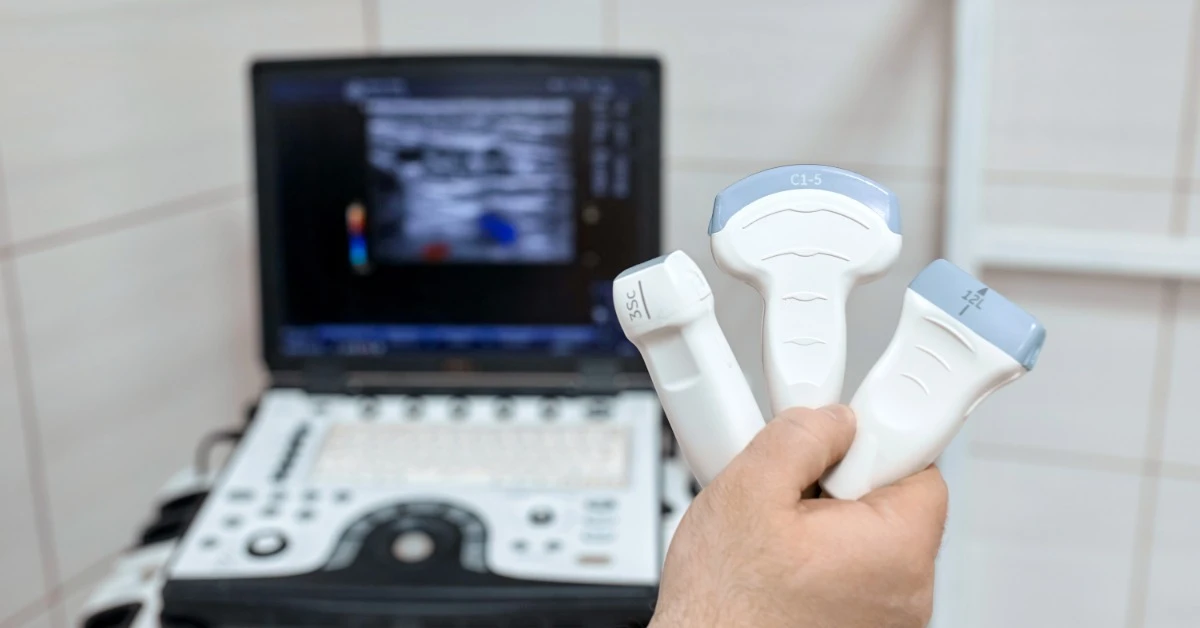
Choosing the right Doppler setup is crucial in daily clinical work because probe type and frequency influence what a provider can hear, how quickly they can assess a patient, and how comfortably they can operate in different care environments. For midwives, nurses, physicians, vascular specialists, emergency responders, and other healthcare professionals, these differences impact workflow as much as performance. Having a clear understanding of probe options helps teams select tools that align with the patient population, exam objectives, and practice setting. Cascade Health Care supports professionals across these environments with diagnostic tools built for professional use, including handheld Doppler systems and related equipment. Continue reading to explore a guide to Doppler probe types and frequencies.
The Role of Frequency
Frequency refers to the ultrasound wave range used by the probe. In practical terms, frequency affects how deeply the signal penetrates tissue and how well it picks up flow or heart tones at different depths. That relationship drives many purchasing decisions.
Lower-frequency probes often suit deeper targets. In obstetric settings, they may help providers detect fetal heart activity at greater depth, especially when the patient's body type or gestational stage affects access. Higher-frequency probes often suit shallower vessels and more focused vascular work, where sensitivity to superficial flow matters more than deeper penetration.
Clinicians don’t choose frequency in isolation. They match it to the patient population, the body area under assessment, and the type of exam they perform most often. A busy practice that handles both obstetric and vascular evaluations may need more than one probe option rather than one compromise choice.
Common Fetal Doppler Probe Frequencies
In obstetric care, handheld Doppler probes often come in frequencies such as 2 MHz and 3 MHz. Each option has strengths, and providers often select one based on exam habits, patient needs, and clinical setting.
2MHz
A 2 MHz probe commonly supports deeper penetration. That makes it a practical choice when a provider needs improved access to deeper fetal heart tones. Practices that work with diverse body types may value that added depth because it can support more consistent performance in a wider range of patient encounters.
3MHz
A 3 MHz probe often supports stronger performance for more superficial detection. Some providers prefer it in cases where fetal heart tones are easier to access and where crisp signal pickup at shallower depth supports a faster exam. In some practices, clinicians choose 3 MHz for later routine checks and keep 2 MHz available for broader flexibility.
Best Choice
The best choice often depends on who uses the Doppler, where they use it, and which patients they see most often. A practice that serves birthing parents in clinics, hospitals, and home-based professional care may benefit from evaluating how each frequency fits those real-world conditions.
Vascular Doppler Frequencies and Their Uses
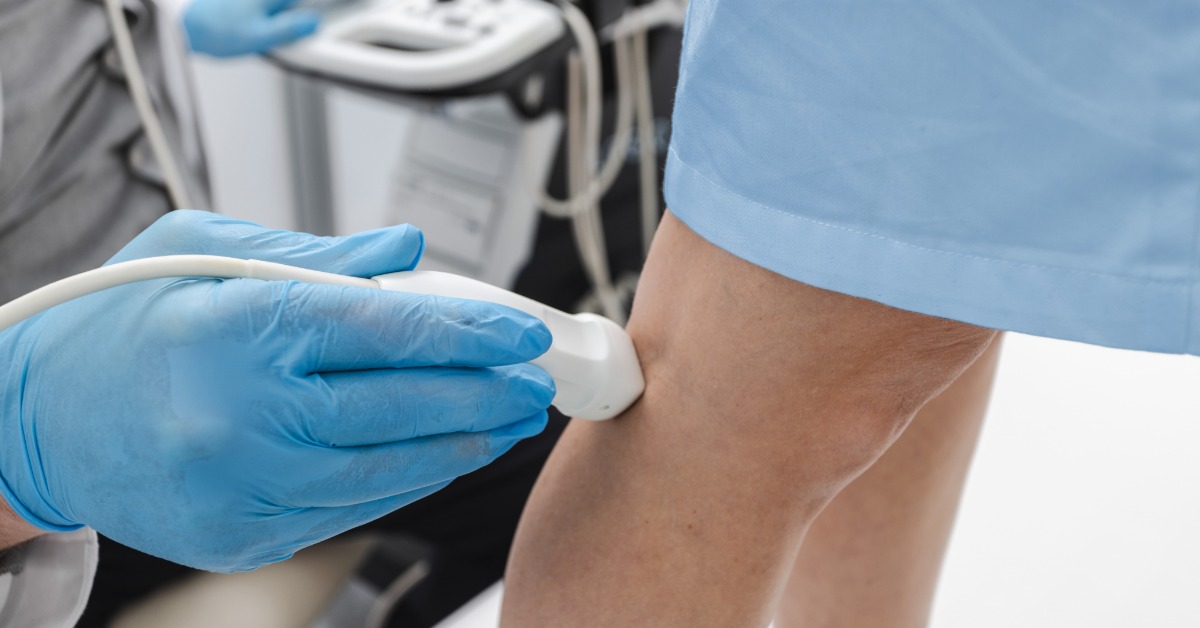
Vascular Doppler probes often appear in frequencies such as 4 MHz, 5 MHz, 8 MHz, and sometimes 10 MHz, depending on the system and intended exam type. These probes support assessment of blood flow in arteries and veins, and each frequency suits a different depth range.
A 4 MHz or 5 MHz probe often helps with deeper vessels. These may work well when clinicians need to assess flow below more tissue depth and want dependable penetration. An 8 MHz probe often suits more superficial vessels and routine peripheral exams. A 10 MHz option may support very shallow applications where detail at the surface matters more than depth.
For vascular teams, frequency choice often reflects the vessels they assess most often. A clinician focused on peripheral arterial exams may prioritize a different probe than a provider handling broader bedside circulation checks. Matching the probe to the most common exam type can improve efficiency and reduce frustration during patient assessment.
Flat and Widebeam Probe Designs
Probe design matters alongside frequency. In many product lines, providers will notice differences in beam shape, face design, and handling. Flat probes and widebeam probes support different preferences and exam styles.
A flat probe provides a familiar contact surface and controlled placement during an exam. Some clinicians prefer this style because it allows precise positioning in a focused area. This can be useful in vascular work where accurate vessel location is important, and repeated repositioning may be necessary.
A widebeam design covers a larger area. In fetal monitoring, some providers value the wider field because it makes heart tone detection easier during routine checks. The broader search zone can also help reduce the time needed to find a signal in some clinical situations, especially in active environments.
Neither design is better in every case. The right choice depends on the provider technique, patient presentation, and how the Doppler fits into the larger workflow.
Interchangeable Versus Dedicated Probes
Some Doppler systems accept interchangeable probes, while others use a dedicated built-in format. That difference impacts long-term flexibility. A unit with interchangeable probes can adapt to different care needs within the same practice. A team may use one base unit with separate probes for obstetric and vascular applications, which can support broader use across departments or clinician roles.
A dedicated unit may appeal to practices with a specific, well-defined goal. If a provider only needs the Doppler for obstetric assessments, a system designed for that purpose can keep operations straightforward and reduce decision-making at the point of care. The same principle applies to a vascular-only environment.
Interchangeable systems often appeal to practices looking for flexibility. They also benefit organizations that need equipment capable of serving multiple clinicians or patient groups. When buyers compare options, they should consider the overall clinical context instead of just focusing on the initial device description.
Matching Probe Type to the Care Setting
A solo midwife, a hospital department, a university training program, and an emergency response team each evaluate Doppler probes differently. Each setting has unique constraints regarding portability, durability, exam frequency, and user preference.
In a mobile practice, weight and ease of handling can be just as important as signal quality. Providers who move between care sites may prefer a unit that stores easily and supports quick setup. In a hospital or clinic, shared equipment might require straightforward controls and a design that helps multiple users work confidently across shifts.
Training environments often value flexibility. Educational programs may prefer systems that allow learners to compare probe frequencies and understand how performance varies across different applications. Such setups support both instruction and practical skill development.
These differences explain why the most effective Doppler setup begins with the intended use case. Frequency, probe style, and device format all become clearer once the clinical setting is understood.
What Professionals Should Consider Before Buying
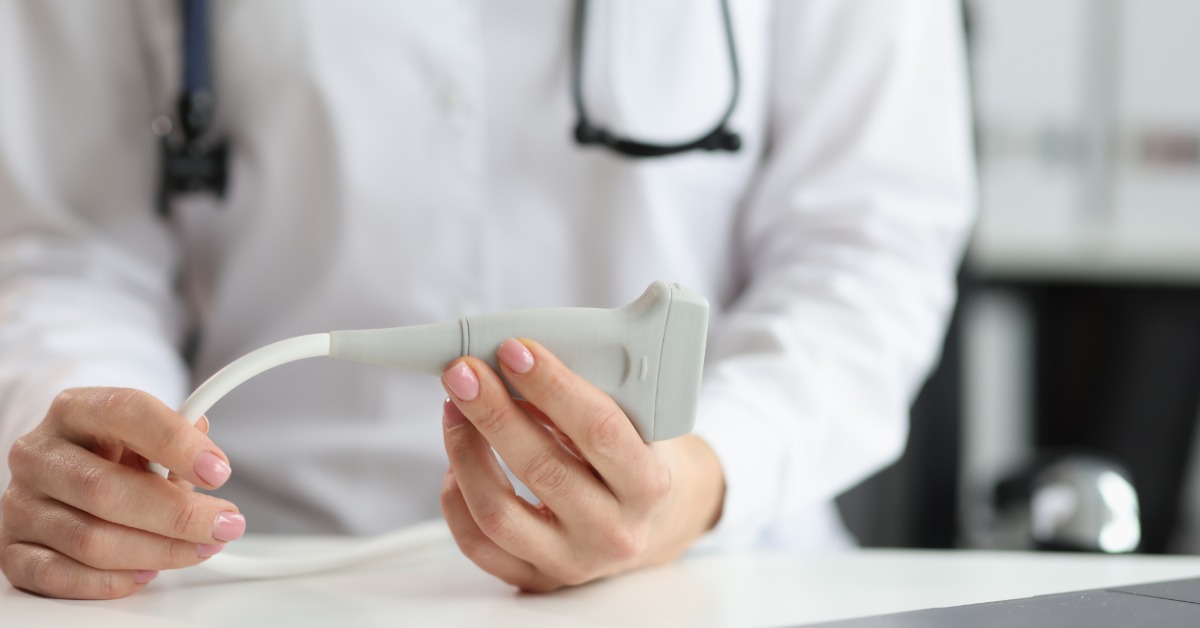
Before choosing a Doppler, healthcare professionals should start with the exams they perform most often. That question usually narrows the field quickly. Obstetric monitoring, peripheral vascular checks, and mixed-use practice all point toward different priorities.
Providers should also consider the patient population. A practice that serves varied ages, body types, and care needs may benefit from greater flexibility in probe selection. User experience is also important. Some clinicians prefer a certain probe shape or response because it aligns with their technique and helps them work more efficiently.
It also helps to think beyond the probe alone. Portability, battery operation, display options, audio clarity, and compatibility with accessories can all affect day-to-day use. A medical-grade Doppler should support the realities of clinical work, not just meet a basic product description.
That broader view often leads to better buying decisions. Rather than choosing the most familiar option by default, providers can choose the configuration that best supports their workflow and patients.
Building Confidence With the Right Combination
A Doppler becomes more effective when the provider understands why a specific probe works well in certain situations. That knowledge increases confidence in both choosing the right product and its clinical application. It also helps practices avoid purchasing equipment that doesn't match their most common needs.
Probe types and frequencies may seem technical at first, but the core idea stays simple. Different clinical tasks call for different strengths. Lower frequencies usually support deeper access. Higher frequencies often suit superficial targets. Probe design shapes how the clinician interacts with the patient and how quickly the signal is found.
When providers understand these basics, they can evaluate Doppler systems more clearly. They can select tools that support obstetric care, vascular assessment, or mixed practice needs more intentionally.
Closing Thoughts
Selecting a Doppler probe involves more than simply choosing a device from a catalog. The appropriate choice depends on the clinical purpose, patient population, provider preference, and the care setting where the device will be used. Frequency influences depth and sensitivity, while probe design impacts handling and exam flow. Collectively, these features determine how effective the Doppler will be in daily practice.
For healthcare professionals who want equipment that aligns with real clinical needs, a solid understanding of Doppler probe types and frequencies makes the selection process far more practical. Cascade Health Care supports providers with professional diagnostic products for a range of healthcare environments, and that makes it easier to find tools that fit how teams work. When a practice chooses the right Doppler setup from the start, it can approach each assessment with greater confidence and a more efficient workflow.
Recent Posts
-

Must-Have Midwifery Supplies for Every Practice
Midwifery requires a careful balance of clinical preparation, mobility, organization, and patient-ce
-

Selecting a Reliable Supplier for Medical Equipment
Healthcare organizations rely on more than the products they purchase. They also rely on the compani