
What You Need To Know About Hydrotherapy in Labor

Hydrotherapy in labor uses warm water for comfort and support, most often through immersion in a tub or birth pool. Many healthcare professionals use it as a nonpharmacologic option that complements mobility, positioning, hands-on support, and standard monitoring. With clear parameters, hydrotherapy can fit well in hospitals, birth centers, and planned community births.
For clinicians, the value lies in the combination of physiological comfort and practical workflow. Warm water can promote relaxation, reduce muscle tension, and support rhythmic breathing and movement. Hydrotherapy also provides a calm sensory environment that can help many birthing parents feel more grounded during contractions, especially as labor intensity increases. Here’s what you need to know about hydrotherapy in labor.
Why Warm Water Can Help
Warm water supports comfort through several overlapping mechanisms. Heat can loosen tight muscles, particularly in the lower back, hips, and pelvic floor. Buoyancy reduces weight-bearing strain, making it easier for birthing parents to shift positions and conserve energy. Water also provides gentle pressure against the skin, which can influence pain perception and help some people regulate stress responses.
Clinicians often observe that a supported nervous system changes the room. When relaxation improves, breathing may become steadier, shoulders may drop, and jaw tension may ease. These changes can translate into better coping, clearer communication, and more effective use of comfort measures such as counterpressure, vocalization, and focused breathing.
Who Can Benefit Most
Hydrotherapy can be a strong option for many low-risk laborers, but clinicians should think in terms of fit rather than broad rules. It often works well when a birthing parent wants movement but feels limited by fatigue, back discomfort, or anxiety. It can also support those who respond well to heat, touch, and predictable sensory input.
It may help to frame hydrotherapy as one option among a menu of comfort measures rather than a single pathway. Some birthing parents use water intermittently, stepping out for walking, toilet sitting, hands-and-knees, or hands-on hip support. Others prefer longer immersion once active labor establishes a clear pattern. In either case, clinicians can set expectations that the plan may shift based on maternal and fetal status and labor progress.
Timing and Use Patterns
Many teams introduce immersion during active labor, when contractions become consistent, and the birthing parent seeks sustained comfort. Earlier use can still be appropriate if it supports rest and regulation, but teams often wait for a pattern indicating that labor has truly established. Clinicians can also use hydrotherapy strategically during prolonged labor as a reset that supports rest and reduces catecholamine load.
From a clinical standpoint, it helps to define what success looks like. Comfort may improve even when cervical change remains gradual. A calmer, more rested birthing parent may conserve energy for later stages, particularly if the second stage becomes prolonged. Clinicians can document hydrotherapy as a comfort intervention with an observed response rather than tying it to a single outcome metric.

Safety Screening and Contraindications
Hydrotherapy works best when the team applies clear inclusion criteria and follows facility protocols. Screening typically considers maternal vitals, bleeding, infection risk, level of sedation, and the ability to enter and exit the tub safely. Many teams also consider fetal status, membrane status, and monitoring needs.
Clinicians should treat hydrotherapy as a dynamic intervention. If maternal temperature rises, dizziness develops, bleeding increases, or fetal heart rate assessment raises concern, the team should reassess promptly and transfer to the next best setting for evaluation. Clear communication helps the birthing parent understand that changing the plan reflects clinical vigilance, not failure.
Water Temperature, Duration, and Comfort Checks
Temperature management matters. Water that feels soothing at first may feel oppressive after prolonged immersion or during a rise in maternal temperature. Many teams keep the water warm, not hot, and build routine checks into the workflow. That includes maternal temperature trends when indicated, hydration status, and overall tolerance.
Clinicians can encourage the birthing parent to sip fluids, use cool cloths to the face or neck if desired, and change positions regularly. If the birthing parent becomes sleepy or disengaged, the team can reassess safety and support an exit for mobility and bathroom use. These steps keep hydrotherapy supportive rather than overly sedating.
Monitoring Fetal Well-Being While Using Hydrotherapy
Hydrotherapy does not remove the need for fetal assessment. It changes how the team performs it. Many settings use intermittent auscultation with waterproof Dopplers when appropriate, and they schedule assessments around contraction patterns and position changes. When continuous monitoring becomes necessary, teams may transition out of the tub depending on equipment and facility capability.
Practical preparation makes the difference. If the team organizes waterproof supplies, knows where cords and devices can safely sit, and sets an assessment rhythm, hydrotherapy becomes clinically smooth. It also helps to define a clear threshold for moving to land, such as persistent abnormal assessment findings, rising maternal temperature, or a need for closer evaluation.
Positioning, Movement, and Hands-On Support in Water
Water expands positioning options while reducing strain. Many birthing parents find relief in forward-leaning positions, kneeling with arms supported on the tub edge, side-lying with flotation support, or a wide squat with assistance. Clinicians can coach micro-adjustments rather than major posture changes, which helps maintain coping momentum.
Hands-on support still matters in water, but it looks different. Counterpressure can be more challenging on wet skin, so clinicians may apply firm palm pressure at the sacrum, hip squeezes, or guided pelvic rocking when the birthing parent leans forward. Support people can also offer breathing cues, hydration reminders, and a calm presence while clinicians handle assessment and decision-making.
Hygiene, Infection Control, and Setup Considerations
Hydrotherapy requires a clean workflow. Facilities often set protocols for tub cleaning, water fill procedures, liner use, and handling bodily fluids. Clinicians also need a plan for safe entry and exit, floor traction, and staff ergonomics. When roles stay clear, hydrotherapy can run with minimal disruption to other care needs.
In community settings, a home birth pool can make hydrotherapy more accessible when the clinical team has experience with setup, sanitation supplies, and contingency planning. The same professional mindset applies. Plan for water source access, temperature control, liner integrity, and an exit strategy that supports quick reassessment.
How Hydrotherapy Can Support the Experience
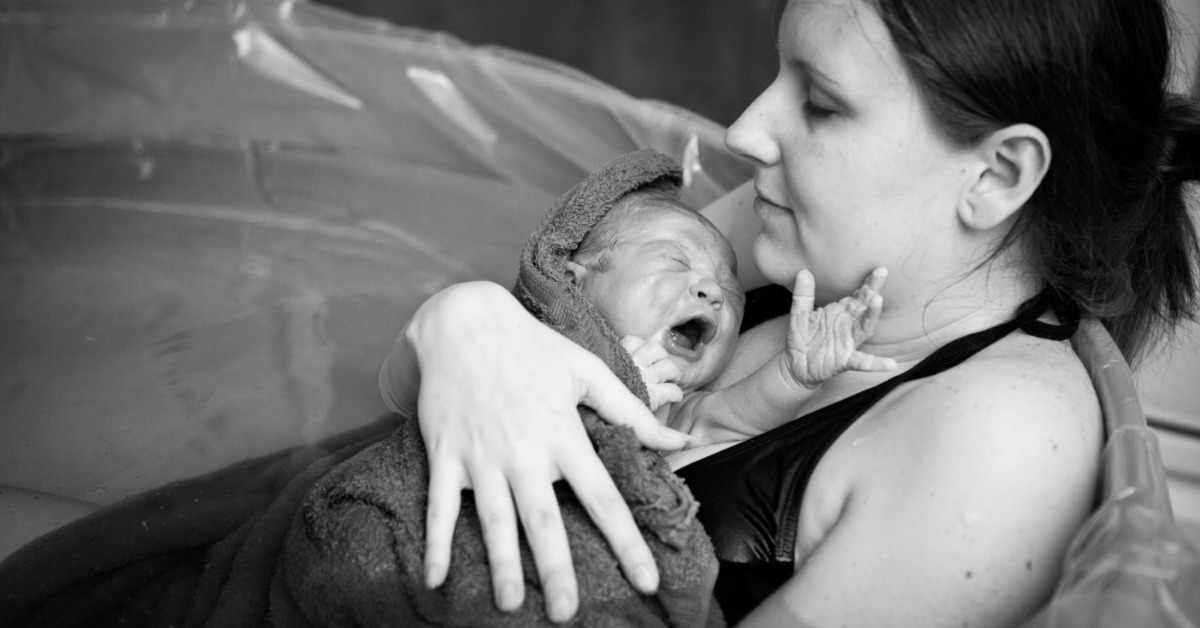
Clinicians often focus on comfort first, and that focus is appropriate. Hydrotherapy can give birthing parents a sense of privacy while still keeping the care team close. It can reduce sensory overload, support steady breathing, and provide a contained space that helps some people feel safer and more confident.
This matters for communication and consent. A regulated birthing parent may process options more easily and express preferences more clearly. Hydrotherapy can also align well with trauma-informed care because it emphasizes choice, comfort, and a collaborative approach.
Second Stage and Delivery Planning
Some settings use water only for labor and move to land for birth. Other settings support water birth for appropriate candidates under defined protocols. Clinicians should follow local policy, credentialing standards, and scope of practice when discussing these options.
Planning starts early. If the team expects a transition out of the water before delivery, it helps to name that plan while the birthing parent still feels comfortable and has cognitive bandwidth. The team can outline what cues will prompt the shift, such as changes in monitoring needs, maternal fatigue, or clinical concerns. That preparation reduces friction during a high-intensity moment.
Common Clinical Pitfalls
Hydrotherapy can fall short when teams treat it as a simple comfort add-on without operational planning. The most common issues include unclear monitoring rhythms, water that becomes too warm, delayed exits when reassessment becomes necessary, and staff uncertainty about roles.
A strong approach uses predictable checkpoints. Clinicians can note entry time, assessment timing, hydration cues, and overall tolerance. They can also use simple, consistent language that invites quick adjustments, such as asking what feels best right now and what feels too intense.
Final Hydrotherapy Thoughts
Hydrotherapy in labor can serve as a practical comfort intervention that supports relaxation, movement, and focused coping. When clinicians apply clear screening, maintain appropriate maternal and fetal assessment, and plan the setup with hygiene and safety in mind, hydrotherapy integrates smoothly into many birth settings.
For teams who support water labor regularly, the right supplies and a clear workflow reduce friction and increase confidence at the bedside. Cascade Health Care supports healthcare professionals with labor and birth equipment that can complement hydrotherapy protocols across hospitals, birth centers, and community birth practices.
Recent Posts
-

What You Need To Know About Hydrotherapy in Labor
Hydrotherapy in labor uses warm water for comfort and support, most often through immersion in a tub
-

A Guide to Different Types of Wearable Pulse Oximeters
Wearable tech keeps moving from novelty to daily tool in clinical settings, training programs, and f