
What To Do With Birthing Supplies After a Home Birth

Home birth is on the rise. As families increasingly seek the comfort and autonomy of birthing in their own space, the aftermath of the event falls largely on the care team. While we prioritize the safety and joy of the new family, we also face the practical reality of the cleanup. The living room might look a bit like a medical supply closet exploded, and navigating the piles of chux pads, half-used gauze, and that beautiful but now-empty birth pool requires a plan.
Responsible disposal and repurposing of these supplies isn’t just about tidiness; it’s about environmental stewardship and safety. Knowing exactly what goes where streamlines your post-birth workflow. This guide breaks down what to do with birthing supplies after a home birth, helping you advise your clients or manage the cleanup yourself with confidence and ease.
Cleaning and Sterilizing Reusable Supplies
We all know the value of high-quality equipment. Items like the Birth Pool in a Box, clinical thermometers, and suction pumps are investments. Proper cleaning and sterilization extend the life of these tools and protect future clients from infection.
Start with a thorough wash. Use warm, soapy water to remove any visible organic matter. You can’t sterilize dirt, so scrubbing off blood, vernix, or meconium is the non-negotiable first step. For the birth pool specifically, pay close attention to the handles and the inflation valves, as these crevices love to harbor residue.
Once the equipment looks clean, move to sterilization. For hard, non-porous items like instrument trays or certain pump parts, an autoclave is the gold standard if you have access to one. However, for many midwives, high-level chemical disinfection is the practical route. Use an EPA-registered disinfectant effective against bloodborne pathogens. Follow the manufacturer’s dwell time instructions religiously—spraying and immediately wiping often defeats the purpose.
For the Birth Pool in a Box from Cascade Health Care, avoid harsh chemicals that might degrade the vinyl. A solution of bleach and water (referencing the manufacturer’s specific dilution ratios) or a specialized cleaner approved for vinyl is best. After the disinfectant sits for the required time, rinse thoroughly with clean water. Dry everything completely before storage to prevent mold growth. A damp pool folded away is a recipe for disaster before your next birth.
Birth Pool Disposal or Repurposing
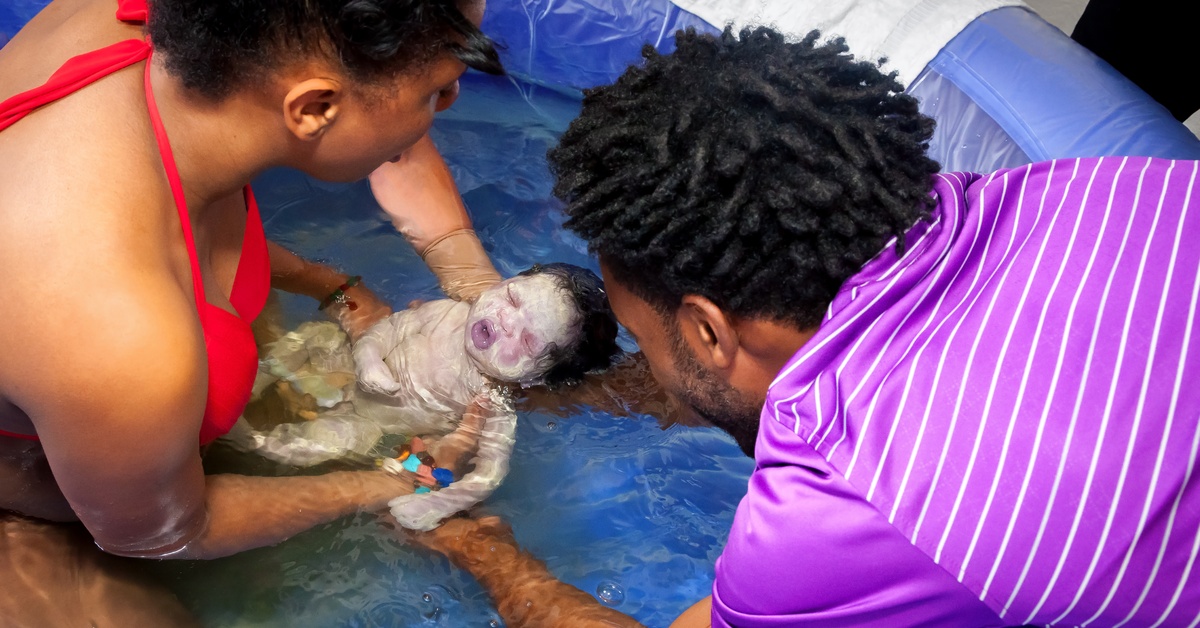
The home birth pool often acts as the centerpiece of the home birth setup. Once the water drains and the baby snuggles with the parents, you have a massive inflatable tub to manage.
The liner is definitely single-use. Because it has come into contact with body fluids, treat it with caution. In most jurisdictions, you can dispose of a drained, bagged liner in standard household trash, provided it is double-bagged and sealed tightly to prevent leaks. However, always check local municipal guidelines regarding biological waste to remain compliant.
The pool itself is a different story. If a family purchased their own pool rather than renting one from you, they might wonder what to do with it. If they don’t plan on having another home birth, the pool has surprising versatility. It makes an excellent, deep kiddie pool for the backyard during summer. The sturdy walls and inflated floor offer a safe play space for toddlers.
Gardeners also love these tubs. They can serve as raised beds for plants that need containment, like mint or bamboo, or even as small water features or pond liners. If the family has no use for it, suggest they offer it to a local gardening group. Seeing a piece of medical equipment transform into a source of joy or growth in a garden is a lovely way to close the circle.
Disposing of Single-Use Items
The volume of disposable items generated during a birth can be surprising. Gloves, gauze, underpads (chux), and umbilical clamps serve their critical purpose and then become waste. Managing this waste correctly is vital for safety.
Segregate waste as you go. Create a dedicated “trash” bag distinct from the laundry or recycling. Items saturated with blood or body fluids generally fall under medical waste regulations. In a home setting, regulations are often more lenient than in a hospital, but best practices still apply. Double-bagging saturated items is a smart standard procedure. Use heavy-duty trash bags to prevent tearing.
Sharps are the exception to the standard trash rule. Needles, lancets, and suturing equipment must go into an FDA-cleared sharps container immediately after use. Never toss a sharp object into a plastic bag. If a professional sharps container isn’t available, a heavy-duty plastic container with a tight-fitting lid (like a laundry detergent bottle) often meets local disposal requirements, provided you label it clearly as “SHARPS” and duct tape the lid shut before disposal.
Check the local sanitation department’s website for specific rules. Some areas require you to take sharps to a drop-off facility, while others allow them in household trash if properly contained. Educating the family on this beforehand prevents dangerous mistakes later.
Donating Unused Supplies
Often, birth kits contain more supplies than a laboring person ends up needing. You might have unopened packs of sterile gloves, untouched gauze, or extra peri bottles. Rather than letting these gather dust or tossing them, consider donation.
Local women’s shelters often welcome donations of hygiene products, such as maternity pads and mesh underwear. Animal shelters are another surprising recipient; they frequently need sterile gauze, gloves, and underpads for caring for injured animals.
For more specialized medical supplies, look for organizations that facilitate medical missions. Groups like Global Health Ministries or local chapters of Doctors Without Borders sometimes accept specific unopened, unexpired supplies to aid in resource-poor settings. Always call ahead or check their website. They usually have strict criteria regarding expiration dates and packaging integrity. Ensuring the supplies meet these standards respects the time of the volunteers and the dignity of the recipients.

Recycling Options
Midwifery is inherently earthy work, and many of us strive to reduce our environmental footprint. While medical safety comes first, recycling offers a way to mitigate the waste.
Packaging constitutes the bulk of recyclable material. The cardboard boxes from the birth kit, the paper backing from glove packets, and the clean plastic wrappings from sterile instruments can usually go into the curbside bin.
The key is preventing contamination. A plastic wrapper with a drop of blood on it is trash, not recycling. Be vigilant about separating clean packaging from the biological field during the birth. Setting up a “clean waste” bin near your charting station or the supply table helps keep recyclable materials uncontaminated and ready for the blue bin.
Repurposing Ideas for Remaining Supplies
Creativity comes naturally to midwives. We solve problems on the fly during labor, and we can apply that same ingenuity to leftover supplies.
Towels and washcloths take a beating during birth. If you can’t bleach them back to a pristine state, they still have utility. They become excellent additions for cleaning up spills, drying off the dog, or washing the car.
Plastic containers, such as kidney basins or bowls used for organizing instruments (if they are reusable), are great for organizing craft supplies, sorting screws in a workshop, or serving as drip trays for small house plants.
Even the absorbent backing of unused chux pads has potential. They make fantastic changing table liners for the new baby or protective layers for a toddler doing messy art projects.
Final Thoughts
The transition from the intensity of birth to the quiet of the postpartum period involves restoring order to the home. By efficiently managing the home birth cleanup, we honor the space that welcomed a new life. Whether you are sterilizing a Birth Pool in a Box for its next journey, donating unused gauze to a shelter, or simply safely containing sharps, every action matters.
Recent Posts
-

What You Need To Know About Hydrotherapy in Labor
Hydrotherapy in labor uses warm water for comfort and support, most often through immersion in a tub
-
A Guide to Different Types of Wearable Pulse Oximeters
Wearable tech keeps moving from novelty to daily tool in clinical settings, training programs, and f