
The History and Evolution of the Speculum

Most women view the speculum as a symbol of modern routine healthcare, a cold but necessary instrument encountered during an annual checkup. However, this medical device possesses a history stretching back much further than the sterile white clinics of the twenty-first century. Its lineage traces the very arc of medical history itself, from the dusty floors of ancient Pompeii to the high-tech manufacturing facilities that produce the stainless steel instruments we recognize today. Understanding the history and evolution of the speculum requires looking at how humanity has approached the female body, disease, and the mechanics of medicine over thousands of years.
Ancient Origins and Early Designs
While many assume the speculum is a modern invention, archeological evidence suggests otherwise. In the ruins of Pompeii, buried by Mount Vesuvius in 79 AD, researchers discovered a three-bladed instrument that bears a striking mechanical resemblance to contemporary devices. This finding proves that Roman physicians possessed a sophisticated understanding of gynecological anatomy and the mechanical means to access it. These early Roman instruments, often crafted from bronze, utilized a screw mechanism to open the blades, allowing the physician to retain the dilation without holding the device manually.
The Greeks also contributed to this early developmental phase. Soranus of Ephesus, a Greek physician who practiced in Rome, wrote extensively on gynecology and obstetrics. His texts reference the dioptra, a specific tool used to inspect the vaginal canal. These ancient practitioners prioritized the identification of pathology, and they designed tools robust enough to facilitate that goal.
The materials presented significant challenges. Bronze, while durable, is heavy and conducts heat rapidly, likely making the examination an uncomfortable experience for the patient. Some historical accounts also suggest the use of wood or even gourd stems in less resource-rich settings, although these organic materials have not survived the passage of time in the same way bronze has. These early attempts highlight a clear medical desire to visualize the cervix, proving that internal examination has always been a cornerstone of women’s health.
The Medieval Stagnation and Arabic Preservation
Following the fall of the Roman Empire, medical advancement in Europe slowed considerably during the Medieval period. Religious dominance often discouraged invasive medical procedures, and the study of anatomy faced strict regulations. Consequently, the development of surgical instruments, including the speculum, largely stalled in the West.
During this era, the epicenter of medical knowledge shifted to the Middle East. Arabic scholars and physicians worked diligently to preserve and expand upon the classical texts of Greece and Rome. Abulcasis (Al-Zahrawi), a renowned Andalusian surgeon, documented a vast array of surgical instruments in his comprehensive medical encyclopedia, the Kitab al-Tasrif. His illustrations and descriptions kept the concept of the vaginal speculum alive when European medicine had largely forgotten it. His work eventually filtered back into Europe, laying the groundwork for the resurgence of medical technology that would arrive centuries later.

The Renaissance and Anatomical Curiosity
The Renaissance sparked a renewed interest in the human form and empirical observation. As artists and scientists began to dissect and study anatomy with fresh eyes, surgeons sought better tools to intervene in the body. The crudeness of medieval medicine gave way to more refined approaches.
During the sixteenth and seventeenth centuries, smiths began forging instruments with greater precision. While the fundamental design of the speculum did not undergo a radical transformation during this time, the manufacturing quality improved. Metals became smoother, hinges became tighter, and the overall design began to prioritize the physician’s line of sight more effectively. This period bridged the gap between ancient theory and the practical, standardized application that would define the modern era.
The Nineteenth Century: Standardization and Specialization
The nineteenth century marked the true turning point for the speculum. Gynecology began to emerge as a distinct and respected medical specialty, driving the need for standardized, effective tools. During this time, inventors like Joseph Recamier, Edward Graves, and T.W. Pederson developed the designs that remain the industry standard today.
Joseph Recamier often receives credit for reintroducing the speculum to modern medicine in the early 1800s. He initially used a simple tube but later modified it to expand, proving that direct visualization of the cervix could diagnose cancer and other ailments earlier than external palpation could.
Later in the century, the focus shifted to patient comfort and anatomical variation. This led to the development of the Graves and Pederson speculums. The Graves speculum features wider, angled blades that curve slightly. Physicians typically select this model for multiparous women—those who have given birth—or for procedures requiring greater visibility and space. The design allows the vaginal walls to separate effectively, providing a clear view of the cervix.
In contrast, the Pederson speculum features narrower, flatter blades. T.W. Pederson designed this instrument specifically for nulliparous women (those who have not given birth), women who have never engaged in sexual intercourse, or elderly patients who may have experienced vaginal atrophy. The slim profile of the Pederson model allows for insertion with minimal discomfort while still providing adequate visualization.
Medical suppliers like Cascade Health Care continue to carry these specific historical designs because they work. Their inventory includes high-quality Miltex versions of both the Graves and Pederson speculums. The staying power of these nineteenth-century designs testifies to their mechanical efficiency. While medicine has advanced, the basic mechanical requirement remains unchanged.
Sterilization also became a major focus during this era. The acceptance of Germ Theory meant that instruments required thorough cleaning between patients. This shifted preference away from porous materials or complex designs with hidden crevices toward smoother, plated metals that could withstand harsh chemical cleaning and heat.
The Modern Era: Materials, Technology, and Accessibility
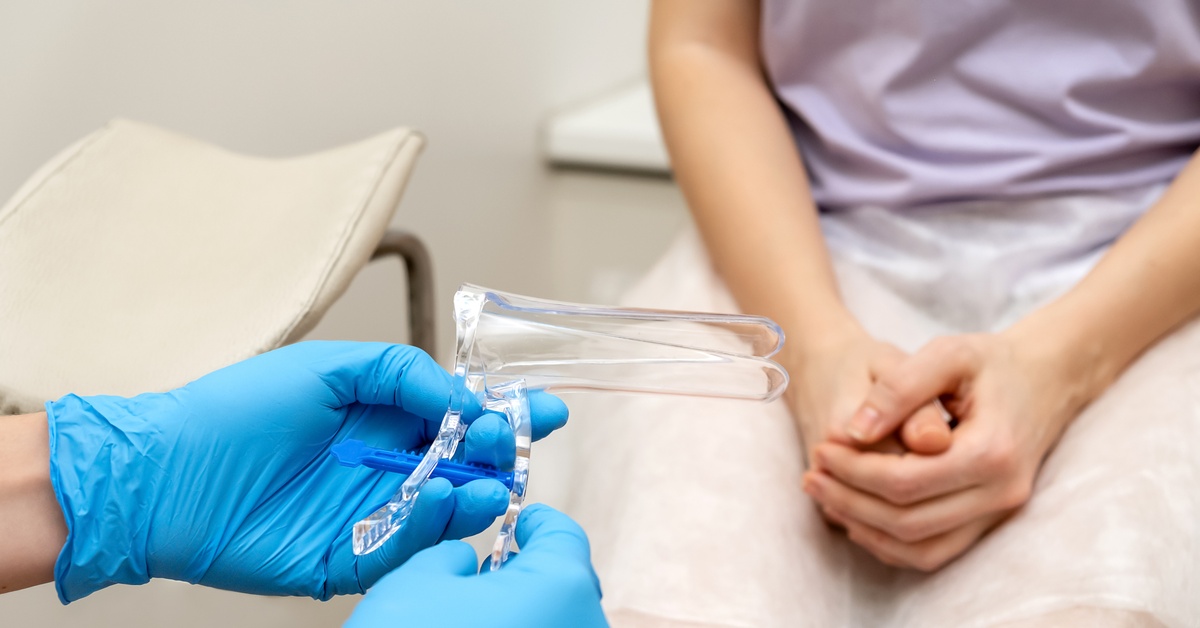
From the twentieth century to the present day, the evolution of the speculum has focused less on shape and more on materials and integrated technology. The introduction of stainless steel revolutionized medical hygiene. Stainless steel enables the instrument to endure the high heat and pressure of an autoclave, guaranteeing a sterile field for every procedure.
The invention of medical-grade plastics introduced the disposable speculum. These single-use devices eliminate the risk of cross-contamination entirely and reduce the logistical burden of sterilization for high-volume clinics. Many modern practices utilize a hybrid approach, keeping sturdy stainless steel options for complex procedures while using disposables for routine exams.
There is now lighting technology integrated directly into the device. Older methods required the physician to wear a headlamp or position an external gooseneck lamp, often casting shadows that obscured the view. Modern LED speculums build the light source directly into the handle or blades, illuminating the cervix with bright, cool light. This innovation significantly improves diagnostic accuracy.
Cascade Health Care addresses these modern needs by providing a varied assortment of vaginal specula. They offer everything from the classic stainless steel Miltex Graves and Pederson models to advanced LED and disposable versions. Clinicians can also find specialized variations, such as the open-sided Graves model, which facilitates better instrumentation access, or the Auvard weighted speculum, which allows the surgeon to perform procedures without manual holding.
Whether a practitioner requires a robust, reusable metal instrument or a single-use plastic device, the right pelvic exam tool dictates the success of the examination. The market now supports every clinical need, offering various sizes (small, medium, large, and extra-narrow) to accommodate the diversity of female anatomy.
Looking Forward
The journey of the speculum from a bronze artifact in Pompeii to a precision-engineered stainless steel tool represents the broader trajectory of medical progress. It reveals a shift from generalized medicine to specialized care, from simple observation to complex intervention, and from reusable durability to sterile safety.
For medical professionals today, sourcing high-quality equipment is the final link in this historical chain. Suppliers like Cascade Health Care maintain this legacy by offering reliable, durable instruments that allow midwives, OB-GYNs, and clinicians to provide the best possible care. By understanding the history of the tools they hold, practitioners can better appreciate the medical tradition they uphold with every patient interaction.
Recent Posts
-

What You Need To Know About Hydrotherapy in Labor
Hydrotherapy in labor uses warm water for comfort and support, most often through immersion in a tub
-

A Guide to Different Types of Wearable Pulse Oximeters
Wearable tech keeps moving from novelty to daily tool in clinical settings, training programs, and f