
Positions for Out-of-Bed Laboring During a Home Birth

For midwives, doulas, and other healthcare professionals who attend home births, facilitating a safe and positive labor experience is the highest priority. One effective strategy is to encourage out-of-bed laboring positions. Movement and upright postures can significantly influence labor progression and maternal comfort, offering a robust, non-pharmacological tool for managing childbirth. By understanding the benefits and practical applications of these positions, care providers can better support their clients through this transformative process.
This guide provides a comprehensive overview for birth professionals of the advantages of staying mobile during labor. We’ll detail positions for out-of-bed laboring during a home birth, essential supplies for a safe delivery, and safety considerations for mothers and professionals.
Benefits of Out-of-Bed Laboring
Encouraging laboring individuals to remain active and utilize upright positions offers substantial physiological and psychological advantages. Physiologically, mobility harnesses gravity to aid fetal descent through the birth canal. This can cause more efficient and productive contractions, potentially shortening labor duration. When a person is upright, the pressure of the baby’s head on the cervix can stimulate stronger, more regular contractions.
Furthermore, certain positions can help optimize fetal positioning, encouraging the baby to move into an anterior position, which is more favorable for birth. This can reduce the likelihood of complications and the need for interventions.
The psychological benefits are equally significant. Being able to move freely gives the mother a greater sense of control and autonomy over their body and the birthing process. This feeling of empowerment can reduce fear and anxiety, allowing them to cope more effectively with the intensity of labor. Freedom of movement allows individuals to find positions that are most comfortable for them, which can naturally help manage pain.
Out-of-Bed Positions for Labor
Guiding a mother through various positions can provide comfort and facilitate progress. Each position for out-of-bed laboring during a home birth offers unique benefits, and a well-equipped birth professional can suggest different options as labor evolves.
Walking
Walking is one of the simplest yet most effective activities during early and active labor. The gentle, rhythmic motion can be calming while simultaneously using gravity to help the baby descend. Walking encourages the pelvis to move, which can help the baby navigate the birth canal more easily.
For care providers, it is essential to ensure the environment is safe for walking. Clear pathways of any obstacles and provide sturdy support, such as a partner or doula, for the laboring individual to lean on during contractions. Comfortable, supportive footwear is also best to prevent fatigue and to provide a stable footing.
Leaning
Leaning forward is a natural, instinctive position many individuals adopt during labor. Mothers can perform this position in various ways, such as leaning against a wall, a piece of furniture, or a partner. This posture helps to take pressure off the lower back, providing significant relief, especially for those experiencing back labor.
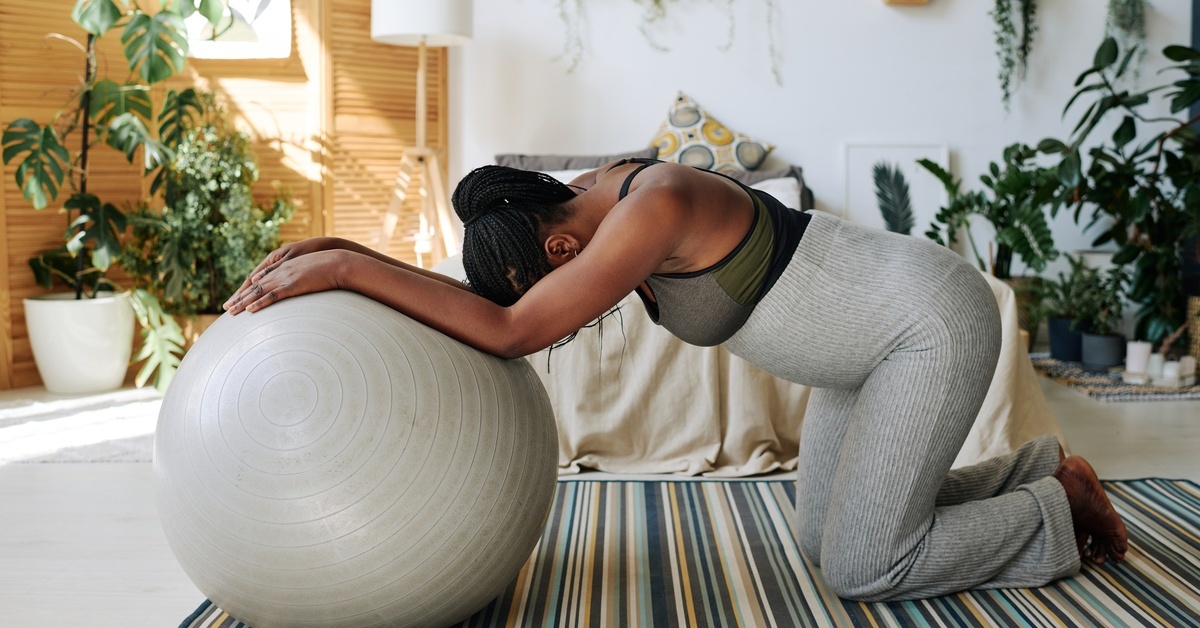
Leaning also allows the abdomen to hang forward, giving the baby more room to rotate into an optimal birth position. Using a birth ball for support while leaning can add gentle movement, as the person can rock their hips back and forth, further easing discomfort and encouraging labor progression.
Squatting
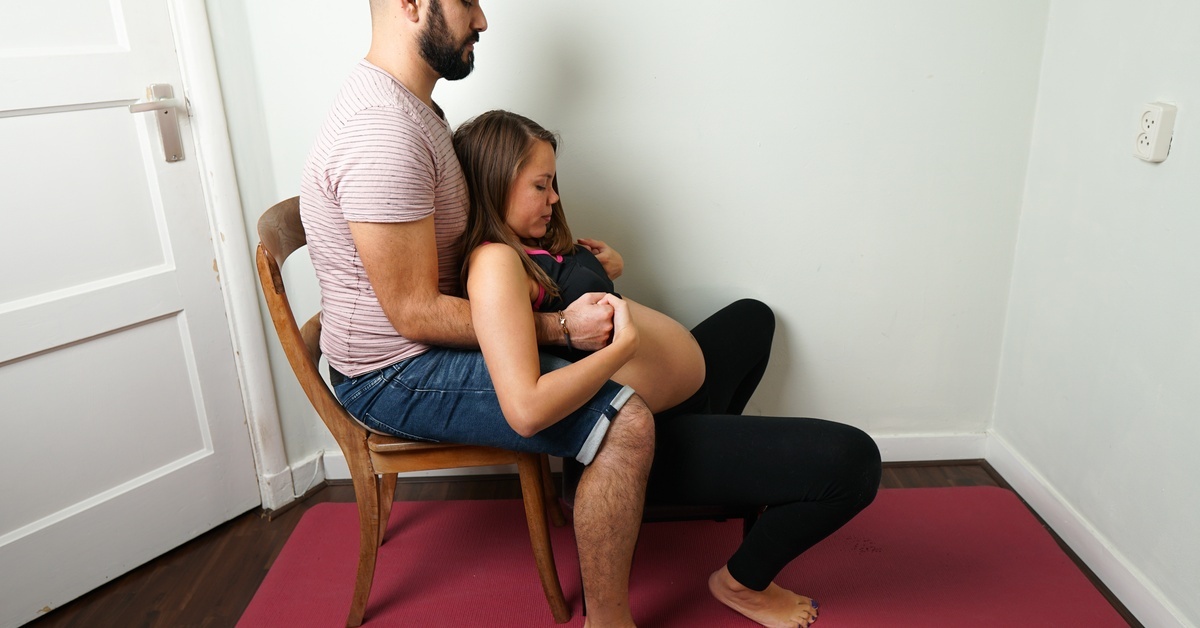
Squatting is a powerful position that can be particularly beneficial during the later stages of labor and the second stage (pushing). This position widens the pelvic outlet, creating more space for the baby to pass through. Squatting utilizes gravity to its fullest, assisting the baby's descent and making contractions more effective.
A squatting bar, which can attach to a sturdy doorframe, or a special birthing stool, provides necessary support and stability. Healthcare professionals must guide the laboring person to use proper form to avoid strain and to offer physical support when necessary, as holding a deep squat can be tiring.
All Fours
The all-fours or hands-and-knees position is another highly effective position for out-of-bed laboring during a home birth. It provides excellent relief from back pain by shifting the baby's weight off the mother's spine. This position can also help a baby in a posterior (or "sunny-side up") position to rotate.
The freedom to rock back and forth or move the hips in circles can be very soothing during intense contractions. For comfort, it is advisable to place pillows or soft mats under the knees and hands. This position offers good access for a partner or doula to provide counter-pressure or massage to the lower back.
Using a Birthing Ball
A birthing ball is a versatile and invaluable tool for out-of-bed laboring. Sitting on the ball and gently bouncing or rotating the hips can alleviate pressure on the perineum and lower back. This movement helps the pelvic muscles relax and open, promoting fetal descent.
The mother can also lean forward over the ball from a kneeling position, which offers a supported resting posture between contractions. The instability of the ball encourages minor, continuous adjustments in posture, which helps maintain pelvic mobility and can assist in labor progression.
Supplies for Out-of-Bed Laboring
To effectively support out-of-bed laboring, healthcare professionals must have the right labor and delivery supplies. A well-stocked birth kit makes it easy to safely and comfortably utilize various laboring positions. Key supplies include a high-quality birthing ball that provides versatile support for sitting and leaning.
A squatting bar or a sturdy birthing stool is essential for facilitating supported squats, which are crucial for opening the pelvis. Comfortable, non-restrictive clothing and supportive, non-slip footwear are also important for enabling freedom of movement. Cascade Health Care offers a wide array of these essential home birth supplies, including comprehensive birth kits that customers can customize to meet their specific needs.
Safety Considerations
While promoting mobility during labor is beneficial, safety is always the priority. Healthcare professionals must create a secure environment by removing tripping hazards and providing stable surfaces for support. The laboring person should never be left alone while moving, especially as labor intensifies and fatigue sets in.
Managing pain and discomfort is also a key aspect of safety. Care providers can offer continuous support, suggest position changes, and provide comfort measures such as massage or heat packs. It's important to monitor the mother and baby's well-being throughout the process, confirming that any chosen position is safe and beneficial for both.
Equip Yourself for a Successful Home Birth
Encouraging out-of-bed laboring is a cornerstone of modern, holistic birth support. The physical and psychological benefits—from more efficient contractions to greater maternal empowerment—contribute to a more positive, less interventionist birth experience. By mastering various positions and understanding their applications, midwives, doulas, and other healthcare providers can provide dynamic, responsive care.
Preparation and the appropriate supplies are critical to safely and effectively fill these positions. High-quality equipment enhances comfort and safeguards the well-being of both mother and baby. Cascade Health Care supports birth professionals by providing a comprehensive selection of home birth supplies and custom birth kits. Explore our offerings to get everything you need to help your clients through a safe and empowering home birth.
Recent Posts
-

What You Need To Know About Hydrotherapy in Labor
Hydrotherapy in labor uses warm water for comfort and support, most often through immersion in a tub
-
A Guide to Different Types of Wearable Pulse Oximeters
Wearable tech keeps moving from novelty to daily tool in clinical settings, training programs, and f