
Must-Have Tools and Instruments for Obstetric Care

Obstetric care demands a unique blend of clinical expertise, intuitive patient management, and precise technological intervention. For midwives and obstetricians, the primary goal remains the safety and well-being of both the mother and the infant throughout pregnancy, labor, and the postpartum period. High-quality outcomes depend on the provider’s ability to monitor physiological changes accurately, assess progression, and intervene when complications arise. While skilled hands and clinical judgment serve as the foundation of practice, the specific tools utilized during examinations and deliveries play a pivotal role in diagnostic accuracy.
Medical professionals understand that the birthing environment requires readiness for every scenario, from routine check-ups to emergency interventions. A well-equipped facility instills confidence in the patient and allows the clinician to perform duties without hindrance. The selection of instruments reflects the provider’s commitment to precision and patient comfort. By maintaining a comprehensive inventory of high-grade medical equipment, practitioners facilitate smoother procedures and better health outcomes. The following sections detail the critical instruments required for comprehensive obstetric care.
Essential Instruments for Obstetric Care
The range of equipment necessary for obstetrics spans from diagnostic tools used in early prenatal visits to surgical-grade instruments required during complex deliveries. Each piece of equipment serves a specific function in monitoring health markers or assisting the biological process of birth.
Examination and Visualization: Vaginal Specula
A cornerstone of gynecological and obstetric examinations, the vaginal speculum allows the clinician to visualize the cervix and vaginal walls clearly. Providers utilize vaginal specula to perform Pap smears, assess cervical dilation, check for rupture of membranes, or identify the source of bleeding. Because patient anatomy varies significantly, a “one-size-fits-all” approach fails in clinical practice. Facilities must stock a diverse array of speculum styles and sizes to ensure patient comfort and effective exams.
Graves Specula
The Graves speculum represents one of the most standard instruments in gynecological care. Characterized by wider blades that slightly curve, this design functions well for parous women or patients with vaginal wall laxity. The wider bill provides excellent visibility of the cervix by effectively holding back loose vaginal tissue. Most providers keep multiple sizes of the Graves style to accommodate the varying anatomical needs of their patient population. The mechanism typically allows the practitioner to lock the blades in an open position, freeing hands for sample collection or other procedures.
Pederson Specula
For patients with a narrower vaginal canal, the Pederson speculum offers a more comfortable alternative to the Graves model. The blades appear flatter and narrower, making insertion easier for nulliparous women, post-menopausal patients, or individuals who have experienced vaginal trauma or scarring. Using a Pederson speculum when appropriate reduces patient discomfort during the exam, which fosters a more trusting provider-patient relationship. Like the Graves, these come in various sizes, and medical suppliers often provide “extra narrow” versions for specific clinical presentations.
Auvard Weighted Specula
Certain procedures require the clinician to have both hands free while maintaining visualization of the posterior vaginal wall. The Auvard weighted speculum fulfills this need through a design that incorporates a heavy weight at the handle end. Once inserted, the weight holds the speculum in place, retracting the vaginal wall without the need for an assistant or manual provider retention. Obstetricians frequently select this tool for operative vaginal surgeries or complex suturing tasks where maximum accessibility and visualization take priority.
Sims Specula
The Sims speculum differs significantly in appearance and function from the self-retaining Graves and Pederson models. This instrument typically acts as a handheld retractor, often double-ended with different blade sizes on each end. Clinicians utilize the Sims speculum to retract the posterior vaginal wall to view the anterior wall or to assist during difficult deliveries or surgeries. While it often requires manual holding, either by the provider or an assistant, it offers versatile angles of visualization that fixed-blade speculums cannot achieve.
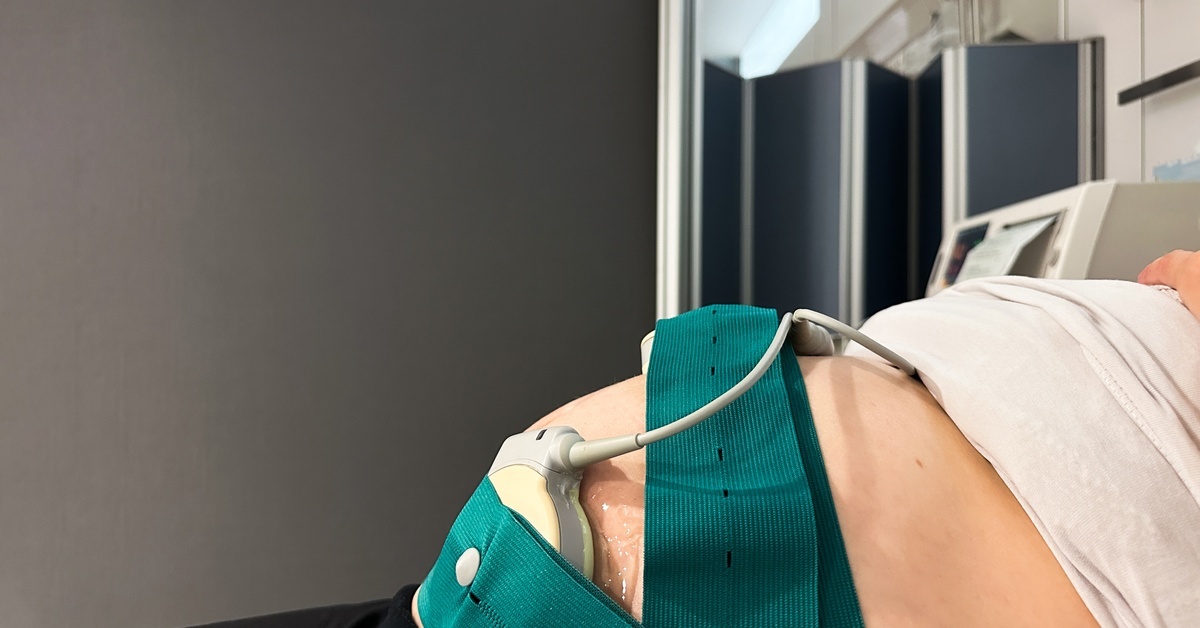
Fetal Monitoring Technology
Monitoring the fetus remains a critical component of prenatal care and labor management. An accurate assessment of fetal well-being guides many clinical decisions.
Fetal Doppler
The handheld fetal Doppler serves as a primary tool for confirming fetal cardiac activity during routine prenatal visits. By using ultrasound to detect the heartbeat, the Doppler provides audible reassurance to the parent and vital clinical data to the provider on heart rate and rhythm. Its portability allows midwives and doctors to carry it easily between exam rooms. The device helps verify fetal viability and can detect irregularities that may warrant more comprehensive monitoring.
Fetoscope
While electronic monitoring prevails in modern medicine, the fetoscope remains a valuable instrument, particularly in midwifery and low-intervention settings. This mechanical tool functions similarly to a stethoscope but is designed specifically for auscultating fetal heart tones. Unlike the Doppler, the fetoscope uses no ultrasound waves, making it a preferred choice for providers or patients seeking to minimize technology exposure. Furthermore, a skilled practitioner can use a fetoscope to help determine fetal position by locating the point of maximum intensity of the heart tones on the maternal abdomen.
Ultrasound Machine
An obstetric practice operates most effectively with access to an ultrasound machine. This technology provides visual confirmation of pregnancy, dates the gestation, identifies fetal anatomy, and locates the placenta. In acute settings, bedside ultrasound allows for the rapid assessment of fetal presentation (breech vs. cephalic) and fluid levels. High-resolution imaging capabilities enhance diagnostic precision, enabling the care team to anticipate potential complications before delivery.

The Delivery Environment
The physical layout of the birthing room directly affects the safety and efficiency of the delivery.
Delivery Table
A specialized delivery table supports the laboring patient in various positions while providing the clinician with appropriate access. Modern delivery tables offer adjustability, allowing for elevation of the upper body, support for the legs, and Trendelenburg positioning if necessary. Stability and ease of adjustment allow the team to react quickly to shoulder dystocia or hemorrhage protocols. The table must also accommodate the easy attachment of stirrups or other positioning aids that facilitate the second stage of labor or perineal repair.
Lighting
Superior illumination dictates the accuracy of any visual assessment. In obstetric care, overhead surgical lights or high-intensity portable floor lamps provide the focused brightness necessary to evaluate the perineum. During the repair of lacerations or episiotomies, the provider relies on shadow-free lighting to identify anatomical structures and approximate tissues correctly. Inadequate lighting increases the risk of missed trauma or improper suturing, which negatively impacts long-term maternal recovery.
Assisted Delivery Instruments
When the second stage of labor stalls or fetal distress demands immediate delivery, the provider must have access to assisted delivery tools.
Vacuum Delivery System
A vacuum extraction system assists in the descent of the fetal head. The device consists of a soft or rigid cup that attaches to the fetal scalp via suction, connected to a handle that allows the physician to apply traction during contractions. This tool offers a crucial alternative to Cesarean section when the fetal head has engaged, but progress halts. Safe usage requires specific training and a high-quality device that maintains consistent suction levels to minimize trauma to the infant.
Forceps
Obstetric forceps function as an extension of the provider’s hands, designed to cradle the fetal head and guide it through the birth canal. These curved metal instruments allow for traction and, in some cases, rotation of the fetal head to a more favorable diameter for birth. While the use of forceps has declined in favor of vacuum extraction or Cesarean section in some regions, they remain an indispensable tool for skilled obstetricians. They prove particularly effective in controlling the after-coming head in breech deliveries or assisting when maternal expulsive efforts become contraindicated.
Closing Thoughts
The provision of exceptional obstetric care relies heavily on the availability and quality of the instruments at the clinician’s disposal. From the diagnostic clarity provided by a Pederson or Graves speculum to the life-saving capabilities of vacuum systems and forceps, every tool serves a distinct purpose in the safety of the mother and child. Facilities that invest in a complete range of high-quality medical instruments empower their staff to handle routine and complex cases with equal proficiency. By maintaining a well-stocked inventory of these essential items, healthcare providers uphold the highest standards of practice, facilitating safe deliveries and healthy beginnings for families.
Recent Posts
-

What You Need To Know About Hydrotherapy in Labor
Hydrotherapy in labor uses warm water for comfort and support, most often through immersion in a tub
-

A Guide to Different Types of Wearable Pulse Oximeters
Wearable tech keeps moving from novelty to daily tool in clinical settings, training programs, and f