
Exploring Recent Innovations in Doppler Signal Processing
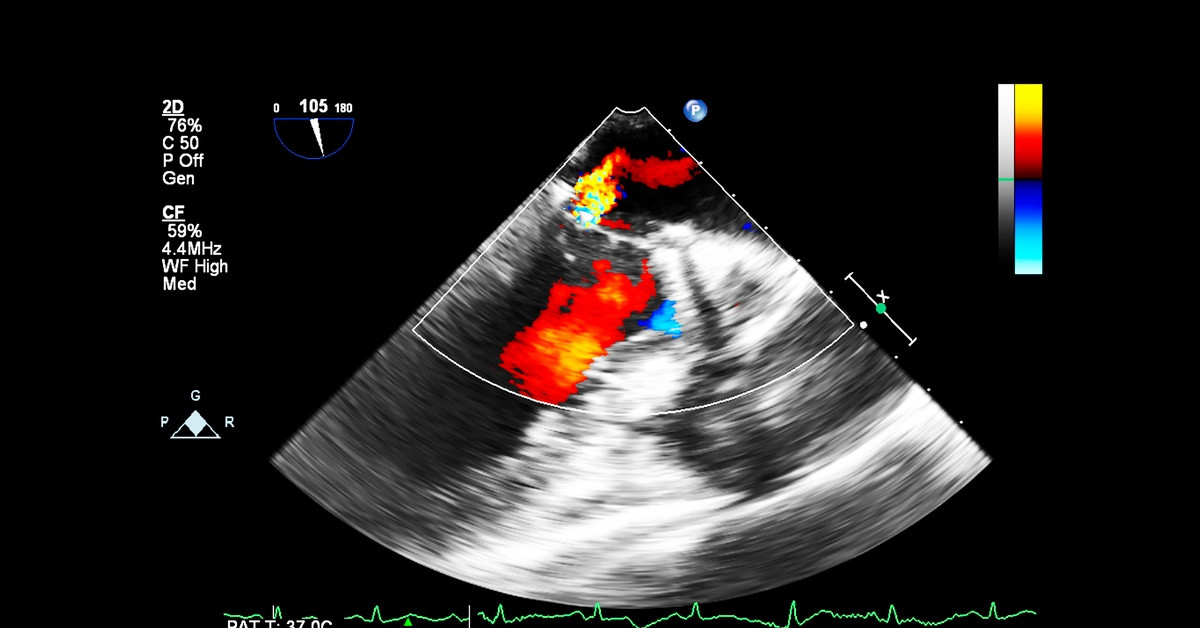
Doppler technology has become an essential diagnostic tool in modern medicine, enabling healthcare professionals to assess blood flow and cardiovascular function with remarkable precision. Exploring recent innovations in Doppler signal processing reveals how technological advancements continue to impact clinical capabilities and patient outcomes.
Recent developments in signal processing algorithms, digital filtering techniques, and enhanced sensitivity mechanisms have significantly improved the accuracy and reliability of Doppler examinations. These innovations allow physicians to detect subtle hemodynamic changes that previous generations of equipment might have missed.
The integration of artificial intelligence and machine learning algorithms has further refined signal interpretation, reducing artifacts and improving diagnostic confidence. As healthcare professionals seek more sophisticated tools for vascular assessment and fetal monitoring, understanding these technological advances becomes increasingly essential. Modern Doppler systems now offer superior penetration depth, clearer audio signals, and more intuitive interfaces that streamline clinical workflows while maintaining the highest standards of diagnostic accuracy.
Advanced Digital Signal Processing Algorithms
Contemporary Doppler systems incorporate sophisticated digital signal processing algorithms that enhance signal clarity and diagnostic precision. These algorithms employ advanced filtering techniques to eliminate background noise and motion artifacts that traditionally compromise signal quality.
Multi-stage processing pipelines now analyze incoming signals in real time, automatically adjusting parameters to optimize detection across various tissue depths and patient conditions. Adaptive filtering systems recognize and suppress interference from respiratory movements, muscle contractions, and external electromagnetic sources.
The implementation of Fast Fourier Transform techniques enables precise frequency analysis, allowing clinicians to distinguish between arterial and venous flow patterns with greater confidence. Modern processors can simultaneously handle multiple frequency bands, providing comprehensive hemodynamic information from a single examination.
These technological improvements provide clear clinical benefits, enabling earlier detection of vascular abnormalities and more accurate assessment of fetal well-being. The computational power of current systems also supports real-time spectral analysis displays that provide immediate visual feedback during examinations.
Enhanced Sensitivity and Penetration Capabilities

Recent innovations have substantially improved the sensitivity and penetration depth of Doppler equipment, expanding clinical applications across diverse patient populations. Engineers have developed transducer designs with optimized acoustic impedance matching, maximizing energy transfer into tissue while minimizing surface losses.
Advanced beamforming techniques concentrate acoustic energy more effectively, enabling the detection of weak signals from deep vessels or small fetal hearts. Current systems achieve sensitivity improvements of 15 to 20 decibels compared to devices from just five years ago, enabling the detection of blood flow velocities previously below measurement thresholds.
Key sensitivity enhancements include:
- Improved piezoelectric crystal materials with higher conversion efficiency.
- Multi-element transducer arrays capture signals from multiple angles simultaneously.
- Dynamic range expansion allows the detection of both high-velocity jets and low-velocity venous flow.
- Temperature-compensated electronics that maintain consistent performance across varying environmental conditions.
These advancements prove particularly valuable in challenging clinical scenarios, such as assessing perfusion in obese patients or monitoring early-stage pregnancies where fetal cardiac activity may be difficult to detect with older technology.
Artificial Intelligence Integration
Artificial intelligence has emerged as a transformative force in Doppler signal processing, introducing capabilities that extend beyond traditional hardware improvements. Machine learning algorithms trained on thousands of clinical examinations can now recognize normal and abnormal flow patterns with impressive accuracy.
These systems assist healthcare professionals by highlighting potentially significant findings and reducing the cognitive burden during lengthy examination sessions. Neural networks analyze spectral waveforms to identify characteristic patterns associated with specific pathological conditions, such as stenosis, insufficiency, or placental dysfunction.
AI-powered noise-reduction algorithms distinguish real Doppler signals from artifacts more effectively than conventional filters, particularly in technically challenging examinations. Some systems now offer predictive analytics that correlate current findings with probable clinical outcomes based on historical data patterns.
The integration of AI doesn’t replace clinical judgment but rather augments the diagnostic process, allowing physicians to focus their expertise on interpretation and patient care. As training datasets expand and algorithms become more sophisticated, AI-assisted Doppler examinations continue to evolve in accuracy and clinical utility.
Wireless and Portable Technology Advancements
The development of wireless, portable Doppler systems has fundamentally changed how healthcare professionals conduct vascular assessments and fetal monitoring across diverse clinical settings. Modern handheld devices deliver performance comparable to traditional cart-based systems while offering unprecedented mobility and convenience.
Wireless connectivity enables seamless integration with electronic health records, facilitating immediate documentation and interdisciplinary consultation. Battery technology improvements now support extended operation periods, making portable systems practical for busy clinical environments and remote care settings.
Miniaturization of electronic components has reduced device weight without sacrificing processing power or signal quality. Bluetooth-enabled probes transmit high-fidelity audio to smartphones or tablets, expanding point-of-care capabilities in emergency departments, labor and delivery units, and outpatient clinics.
Cloud-based platforms allow for the secure storage and retrieval of examination data, supporting longitudinal patient monitoring and quality assurance programs. These portable solutions prove especially valuable in resource-limited settings where space constraints or budget limitations make traditional equipment impractical.
The convenience of wireless technology encourages more frequent assessments, potentially enabling earlier intervention when clinical conditions change. This expanded accessibility ensures that clinicians can consistently deliver high-quality diagnostic monitoring, even in fast-paced or unpredictable care environments.
Clinical Implications and Future Directions

The cumulative impact of these innovations extends far beyond technical specifications, fundamentally enhancing clinical decision-making and the quality of patient care. Healthcare professionals can now access diagnostic information with greater confidence, supporting more informed treatment decisions and improved communication with patients and colleagues.
Enhanced signal processing capabilities facilitate earlier detection of cardiovascular abnormalities, potentially improving outcomes through timely intervention. In obstetric applications, superior sensitivity enables more reliable fetal assessment during challenging examinations, reducing unnecessary interventions while maintaining the appropriate vigilance.
Future developments promise even greater integration with comprehensive diagnostic platforms, combining Doppler data with imaging modalities and laboratory results for holistic patient assessment. Researchers continue exploring quantum sensing technologies and photonic processing systems that may revolutionize signal detection in the coming decades.
Bringing Doppler Innovation Into Practice
As we continue exploring recent innovations in Doppler signal processing, the focus remains on translating technological advances into tangible clinical benefits. For healthcare professionals in need of Doppler medical equipment, understanding these innovations will help you find tools that meet the evolving demands of contemporary medical practice and deliver reliable performance.
Visit Cascade Health Care today to explore our range of medical equipment and health care products designed specifically for professionals who demand precision, reliability, and innovation. Discover how the right Doppler technology can transform your diagnostic capabilities.
Recent Posts
-

What You Need To Know About Hydrotherapy in Labor
Hydrotherapy in labor uses warm water for comfort and support, most often through immersion in a tub
-

A Guide to Different Types of Wearable Pulse Oximeters
Wearable tech keeps moving from novelty to daily tool in clinical settings, training programs, and f