
Comparing Medical-Grade vs. Consumer-Grade Supplies

Health care professionals make dozens of small equipment decisions that shape safety, workflow, and confidence. Those decisions start long before a patient encounter, when a team chooses what to stock, where to store it, and how to maintain it. Medical-grade supplies and consumer-grade supplies can look similar on a shelf, yet they perform in very different worlds.
Medical-grade products support repeated clinical use, routine cleaning, and predictable performance across many users. Consumer-grade products focus on occasional use, simpler environments, and lower upfront cost. The right choice depends on the setting, risk level, and the way a team plans to use the item. Check out this guide that will compare medical-grade and consumer-grade supplies.
What Medical-Grade Means in Practice
Medical-grade typically signals design choices that support clinical realities. Manufacturers build these products to tolerate frequent handling, exposure to disinfectants, and transport between rooms or sites. Teams also expect stable performance across a wide range of users, from students to seasoned clinicians.
Medical-grade also tends to come with stronger documentation and support, which is critical for procurement teams. Procurement often requires traceability, clear specifications, and service options aligned with maintenance schedules. Focusing on these operational details can streamline purchasing and asset management processes.
What Consumer-Grade Aims To Do Well
Consumer-grade supplies often solve a narrower problem. They can work well for personal education, occasional monitoring, or low-intensity use where the environment stays clean and controlled. Many consumer products emphasize ease of use, smaller size, and quick setup.
Cost often drives consumer choices, but cost alone does not tell the full story. When a tool meets the need, and the use stays limited, consumer-grade can feel like a smart purchase. The challenge starts when a team expects the same product to perform like clinical gear in a demanding setting.
Standards, Oversight, and Documentation
Medical environments run on repeatable processes. A clinic or EMS agency needs equipment that supports policies for cleaning, calibration, and replacement. Medical-grade manufacturers often design with those workflows in mind, which can reduce friction during audits and routine checks.
Consumer-grade products may provide fewer details about performance over time. They may also offer limited service pathways, which can complicate repairs and part replacement. When an item fails, a team then spends time troubleshooting instead of caring for patients.

Accuracy and Reliability Over Repeated Use
Clinical work rewards consistency. A device that performs well once but drifts over time creates doubt, rechecks, and delays. Medical-grade devices typically prioritize stable readings, durable sensors, and predictable behavior across temperature changes and handling.
Consumer-grade devices can produce useful information, yet they may respond more to placement, motion, or battery variability. That difference shows up most when staff rotate, and multiple hands use the same tool. A team benefits when the equipment behaves the same way on every shift.
Materials, Cleaning, and Infection Control
Teams clean equipment constantly. Medical-grade materials tolerate approved disinfectants without cracking or degrading, protecting both the device and infection control protocols.
Consumer-grade products may not tolerate frequent disinfection, especially with stronger solutions. Plastic housings, adhesives, and seams can break down, which shortens lifespan and can create surfaces that trap residue. The safest workflow starts with equipment designed for the cleaning reality.
Durability in Real-World Settings
Think about the route an item takes in a busy day. A blood pressure cuff gets tossed into bags, wrapped quickly, and shared between providers. A handheld device slides across a counter, rides in a vehicle, and gets set down on unpredictable surfaces. Health care equipment needs to handle routine without loosening, drifting, or breaking under pressure.
Medical-grade gear anticipates rough daily handling. Consumer-grade assumes gentle use. When a product fails under routine stress, replacements occur sooner, erasing initial savings.
Diagnostics and Vital Sign Tools
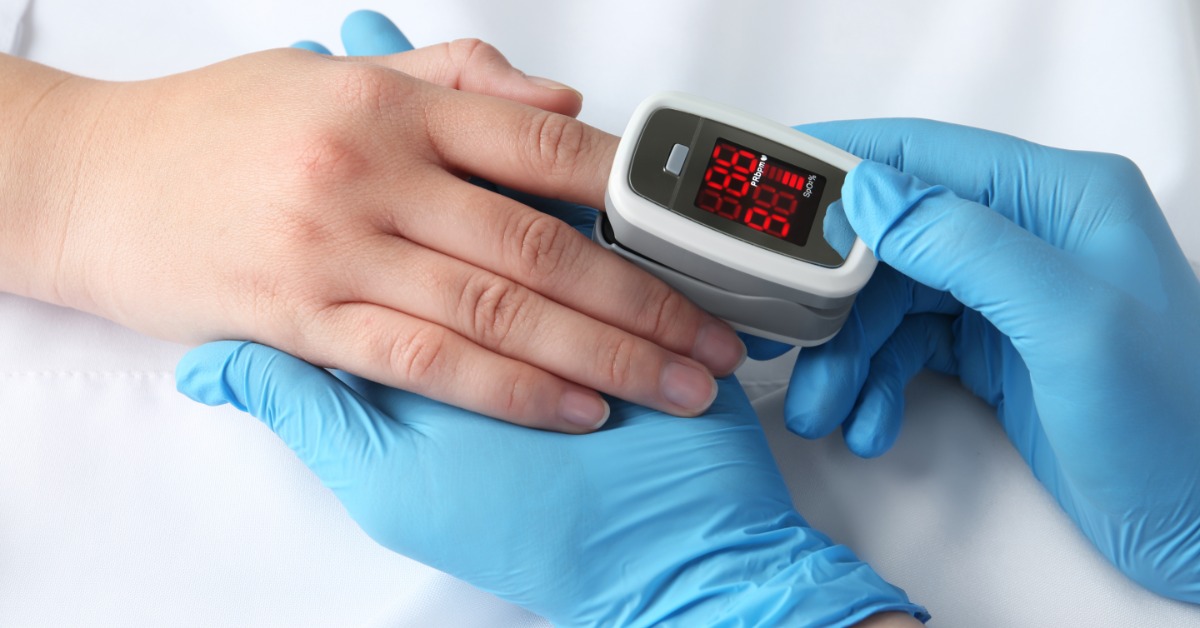
Medical-grade diagnostic tools support repeat readings in demanding environments. Teams often need confidence when they monitor trends, respond to changes, or hand off care. In those moments, a tool’s performance affects decisions and documentation.
Consumer-grade diagnostic tools can fit low-risk education or personal awareness. However, for procurement, these products may not meet requirements for routine cleaning, heavy rotation, or strict documentation. Procurement teams often need to evaluate accuracy, durability, and service support as a comprehensive package, not in isolation.
Monitoring Tools and Clinical Accessories
Clinical monitoring tools ask a lot of both the device and the user. Staff need clear output, stable performance, and accessories that stand up to repeated use. Teams also benefit when brands offer replacement parts and reliable service, since consistent tools simplify training and reduce avoidable variation.
Consumer monitoring tools can work for occasional checks, but many do not hold up to shared use. A device that varies between users adds steps to every measurement and can lead to repeated checks.
Protective Supplies and Disposables
Many teams compare medical-grade versus consumer-grade items in gloves, masks, and barrier products. Medical-grade options usually align with workplace expectations for consistent sizing, dependable tear resistance, and packaging that supports quick access.
Consumer-grade protective items work for light tasks but vary more between boxes. In clinical use, variability causes waste and slows workflow. Teams should match supplies to exposure level and repeatable fit.
Bags, Storage, and Field Readiness
Agencies often overlook bags and storage as core equipment. In reality, storage protects every item inside it, and it shapes response speed. Medical-grade or professional-grade bags often use stronger stitching, tougher zippers, and layouts designed for clinical access.
Consumer backpacks can work in a pinch, but they rarely support the same weight distribution and repeated cleaning. Field teams benefit when storage systems keep critical items visible and protected during transport.
Training, Usability, and Human Factors
Medical-grade equipment usually assumes that multiple users will touch the same device. Designers often build interfaces that support fast orientation and fewer steps under stress. That design helps in settings where staff change, students rotate, and on-call teams jump in.
Consumer-grade products often optimize for a single owner who learns the device over time. That assumption can create friction in clinical settings. If a tool requires extra explanation or frequent user correction, it costs minutes and attention when attention matters most.
Total Cost and Lifecycle Planning
Upfront price can mislead. Medical-grade supplies often cost more at purchase, but they can last longer and reduce replacement frequency. They also tend to support parts replacement, service pathways, and predictable maintenance intervals.
Consumer-grade supplies can look inexpensive until a team counts replacements, downtime, and staff time spent troubleshooting. A good comparison includes lifespan, cleaning tolerance, battery or sensor replacement, and the time it takes to keep the item ready for the next call.
Matching Grade to Setting and Risk
A high-volume clinic, hospital unit, and EMS agency usually gains value from medical-grade equipment because staff use and clean items constantly. Those environments also face higher stakes when a device fails or varies. Medical-grade gear often fits the need for reliability, durability, and documentation. Teams that shop through Cascade Health Care often prioritize medical-grade supplies for high-volume settings where consistent performance and easy cleaning matter most.
Lower-intensity environments can sometimes use consumer-grade supplies thoughtfully. Education programs, demonstrations, and personal practice settings may benefit from consumer-friendly tools when the setting stays controlled and expectations stay aligned. The best choice comes from honest use cases rather than labels alone.
A Practical Way To Decide
Start with use frequency and cleaning reality. If staff will use the item every day and disinfect it often, a medical-grade one usually makes sense. Next, consider who will use it and how many hands will touch it, since shared tools demand simpler interfaces and stronger durability.
Then look at service, parts, and replacement timelines. A tool that no one can repair becomes disposable, even if it costs more than a disposable one should. Finally, match the purchase to risk. When clinical decisions or documentation depend on performance, reliability deserves priority.
Closing Thoughts
Medical-grade and consumer-grade supplies serve different purposes, and smart teams treat the distinction as a workflow decision rather than a status marker. Medical-grade Foptions tend to support repeatable performance, cleaning tolerance, and long-term readiness. Consumer-grade options can fit limited use cases when the setting stays controlled, and expectations stay aligned.
Choosing supplies that fit real-world use means equipment supports care without distraction. Remember: matching supplies to frequency, cleaning needs, and user type ensures reliability and supports efficient workflow.
Recent Posts
-

What You Need To Know About Hydrotherapy in Labor
Hydrotherapy in labor uses warm water for comfort and support, most often through immersion in a tub
-

A Guide to Different Types of Wearable Pulse Oximeters
Wearable tech keeps moving from novelty to daily tool in clinical settings, training programs, and f