
A Guide to Different Types of Wearable Pulse Oximeters

Wearable tech keeps moving from novelty to daily tool in clinical settings, training programs, and field work. Many teams want fast visibility into oxygen saturation trends without adding another bulky device to a cart or bag. Wearables can help with that goal when you match the device style to the workflow. A good match starts with a clear look at the different wearable designs and what each one does best. Here’s a guide to the different types of wearable pulse oximeters.
What SpO2 Tracking Measures
Pulse oximeters estimate peripheral oxygen saturation, which many clinicians call SpO2, by shining light through tissue and analyzing how blood absorbs it. Most devices also report pulse rate from the same signal. Wearable designs aim to keep that reading available over time, not just in a quick check. That focus changes how the device fits, how it stores data, and how it handles motion.
When Wearable Options Make Sense
Wearables often support situations where repeated checks help more than a single reading. A clinical educator might use a wearable format to demonstrate how motion, perfusion, and placement change the signal over time. EMS teams may prefer a secure option that stays in place during transport. Hospital units and clinics may choose wearables for comfort when a patient needs monitoring without frequent interruptions.
Wearable Pulse Oximeters and How They Differ
Pulse oximeters come in more than one wearable style, and each style trades off comfort, durability, and signal quality. Some models prioritize spot checks with a wearable feel. Other models prioritize continuous or near continuous monitoring and build the form factor around stability. The sections below break down the most common wearable types and the situations that tend to suit each one.
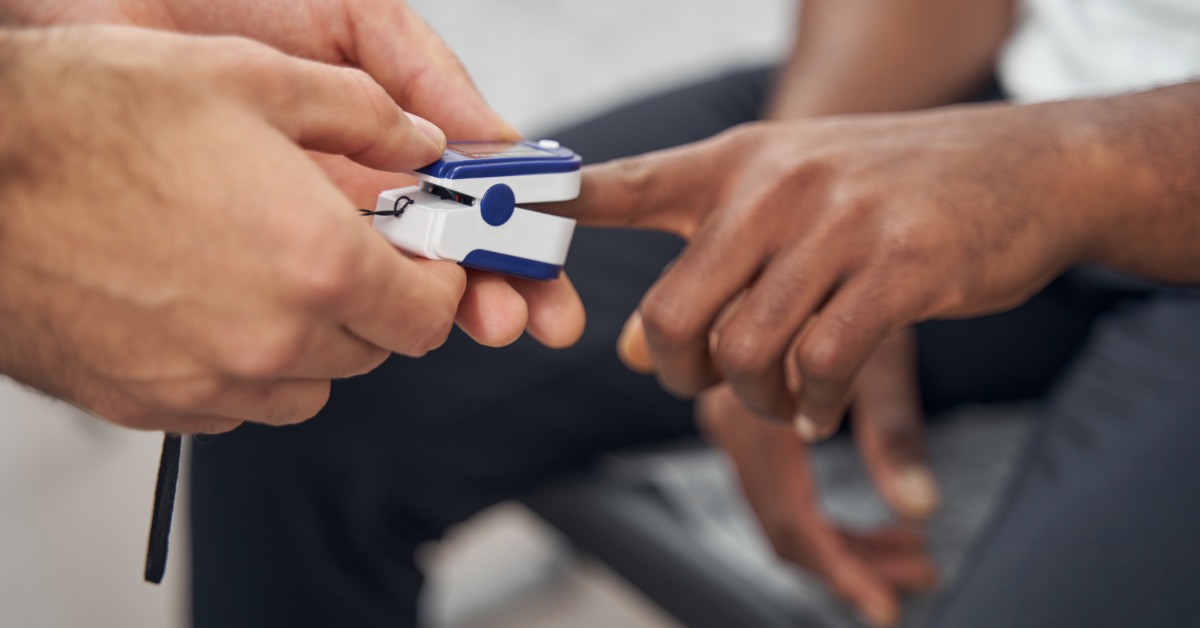
Finger Clip Styles With a Wearable Fit
Many clinicians know the familiar fingertip clip device, and some models feel wearable even when a team uses them for short periods. A finger clip can work well for quick confirmation, skills labs, and bedside checks when motion stays low. The clip design can struggle during heavy movement or cold extremities, so placement and patient comfort matter. Teams that plan frequent checks may prefer a design with a softer hinge and a display that stays readable from multiple angles.
Ring-Based Wearables
Ring designs sit on the finger like a piece of jewelry and aim for comfort during longer sessions. The stable contact can help when the user wants trend visibility without holding a device. Ring wearables often rely on app-based viewing, so the workflow depends on Bluetooth range, device pairing, and staff training. A ring can feel less obtrusive than a clip, but sizing and skin contact still drive performance.
Wrist-Based Wearables
Wrist devices resemble a watch and often combine SpO2 estimates with activity data and heart rate trends. This style can appeal in training environments and program demos where a single device shows multiple signals. Wrist wearables depend heavily on fit, skin tone variability, motion, and sensor placement against the underside of the wrist. Some models support periodic sampling instead of continuous tracking, so teams should confirm how often the device captures readings.
Wrist Sensors and Motion
Wrist placement experiences more movement than a finger during routine tasks. That movement can introduce signal noise and create dropouts. A snug fit can help, but comfort still matters for longer wear. For clinical work, staff often treat wrist readings as context rather than a replacement for a dedicated sensor in higher acuity situations.
Adhesive Patch Wearables
Patch designs place a sensor on the skin with an adhesive backing, often on the torso or upper arm, depending on the model. Patches can support longer wear with less interference from hand movement. Many systems pair the patch with a receiver, phone, or central station, which can fit well in facilities with established monitoring workflows. Adhesive choice matters because sweat, hair, and sensitive skin can limit wear time.
Patch Comfort and Skin Care
A patch needs clean, dry skin for reliable contact. Clinicians often rotate placement sites to reduce irritation during extended monitoring. Education teams can teach proper application and removal techniques to protect skin integrity. Patch models vary widely, so teams should align patch wear time with the setting.
Soft Wrap and Band Sensors
Some wearable options use a soft wrap that goes around a finger, hand, foot, or toe, depending on patient size and use case. This style often appears in neonatal and pediatric settings, though some wraps also suit adult monitoring when comfort matters. A wrap can reduce pinch pressure compared to a hard clip while still keeping the light path stable. Staff need consistent placement habits because a wrap that shifts can change the reading.
Ear and Forehead Sensor Wearables
Some wearable systems place sensors at the ear or forehead to reduce issues from cold hands or low peripheral perfusion. These locations can help during motion-heavy scenarios, though comfort and secure attachment still matter. Forehead reflectance sensors often pair with a headband or adhesive, which can suit transport or procedural use. Teams should consider hair, perspiration, and patient tolerance when choosing these locations.
Consumer Style vs Clinical Style Wearables
Wearables often fall into two broad groups that look similar but behave differently in practice. Consumer-oriented devices may emphasize lifestyle metrics and ease of use, and they may provide less clarity about signal quality indicators. Clinical-oriented devices typically provide stronger guidance on placement, alarms, and data output, and they often support accessories and replacement sensors. A purchasing team can avoid frustration by aligning the device category with the clinical expectations for documentation and workflow.
Data Handling and Connectivity
Many wearable systems send readings to an app, tablet, or central display, which changes how staff view and record information. Bluetooth pairing, user profiles, and device charging routines can create friction if teams do not plan ahead. Some environments prefer stand-alone visibility on the device screen during rounds. Other environments want exportable data for teaching, quality improvement, or remote supervision.
Factors That Affect Reading Quality
Wearable devices live on the body, so the signal responds to the real world in ways that classroom examples can hide. Movement, poor sensor contact, cold extremities, nail coverings, ambient light, and low perfusion can all disrupt the waveform. Staff can improve reliability with consistent placement, a secure fit, and a quick check of signal indicators when the device provides them. When a reading looks unexpected, teams often confirm with a different placement site or a different device style.
Cleaning, Turnover, and Replacement Parts
These different types of wearable pulse oximeter choices should fit infection control routines and supply planning. Hard clip devices and reusable sensors need cleaning protocols that match facility policies. Adhesive patches and wraps may require recurring reorders, which affects the total cost over time. Cascade Health Care supports healthcare professionals who want practical options and dependable replenishment for diagnostic supplies, so teams can keep kits consistent across shifts. Cascade Health Care also carries related accessories that help standardize training and clinical setup without overcomplicating the process.
How To Choose the Right Wearable Type
Start with the setting, because the best wearable for a classroom demo differs from the best wearable for transport or longer monitoring. Next, decide whether the team needs spot checks, periodic sampling, or continuous trending. Then look at placement tolerance, since a device that feels irritating will not stay in position. Finally, confirm how the device displays data and how staff will manage charging and cleaning.
A Practical Wrap Up
Wearable designs give clinical teams more options for how they capture oxygen saturation trends across different environments. Finger clip styles offer familiarity, rings and wrists prioritize comfort and convenience, patches and wraps support longer wear, and alternate sites like the forehead can help in motion-heavy scenarios. The right choice comes from matching form factor, workflow, and data needs rather than chasing the newest shape. When teams take that approach, wearable monitoring becomes a helpful tool that fits into real clinical work.
Recent Posts
-

What You Need To Know About Hydrotherapy in Labor
Hydrotherapy in labor uses warm water for comfort and support, most often through immersion in a tub
-
A Guide to Different Types of Wearable Pulse Oximeters
Wearable tech keeps moving from novelty to daily tool in clinical settings, training programs, and f