
9 Items EMTs Should Have Stocked for Prehospital Deliveries
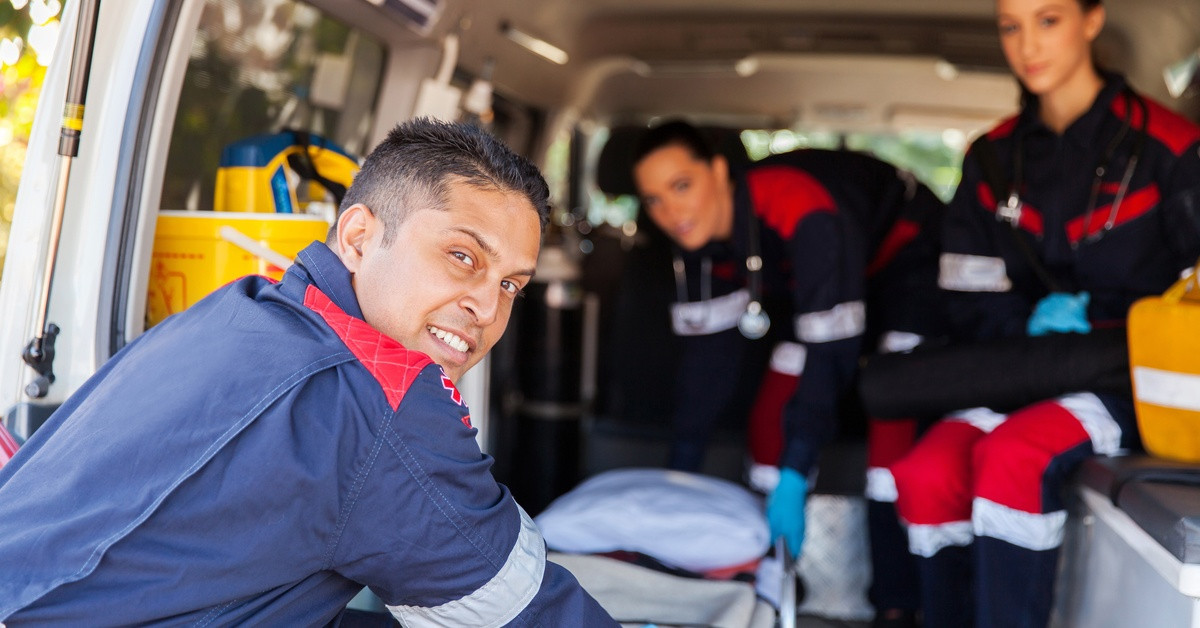
Prehospital deliveries rarely announce themselves with perfect timing. One minute you take a routine transport call, and the next minute you hear, “The baby’s coming now.” When that moment hits, every item in the bag becomes a decision-maker, because equipment gaps create delays you cannot afford.
EMTs and paramedics already know the basics of childbirth care. The difference between “handled it” and “handled it smoothly” often comes down to stocking the right gear in the right place, with packaging that opens fast and tools that work in low light. These are the items EMTs should have stocked for prehospital deliveries.
The Bag Matters
Start with a dedicated, clearly labeled obstetric kit that lives in the same spot on every unit. A consistent layout lets any clinician grab what matters without digging, even when the scene turns loud or cramped. Use pouches or internal dividers so hands find clamps, suction, or warming supplies by muscle memory, not luck.
Restock the kit immediately after use, even if the team only opened a single packet. Crews forget what they opened once the call ends, and the next crew inherits the problem. A simple seal tag on the kit helps crews spot a kit that someone opened but did not refill.
PPE and Scene Hygiene
Gloves alone never cover what a delivery splashes. Stock multiple glove sizes, eye protection, and at least one fluid-resistant gown or apron, because uniform shirts do not count as protection. Add a few absorbent underpads and large drapes so the team can create a workable field without fighting gravity and body fluids.
Include hand sanitizer and disinfectant wipes that actually cut through biological mess. Add a couple of biohazard bags and a small roll of trash bags so crews can contain waste without improvising. If the kit supports the scene, the team can keep their hands on the patient instead of chasing supplies.
Tools for Birth, Not Just After Birth
A field delivery often moves fast, but speed should not push technique out the door. Stock sterile towels or drapes, sterile gauze, and a bulb syringe or equivalent newborn suction tool. Add a headlamp or compact light, because overhead lighting rarely cooperates in bathrooms, cars, or stairwells.
Carry at least two umbilical cord clamps and a cord-cutting option. Many services use cord clamps plus scissors; some carry a scalpel as a backup. Plan for doubles in case the first clamp drops, packaging tears, or the cord needs a second clamp due to anatomy or workflow.

Bleeding Control and Postpartum Support
Postpartum bleeding can escalate quickly, and crews need supplies that support rapid assessment and practical action. Stock postpartum pads that handle heavy flow, plus additional absorbent pads for under the hips. Add extra gauze and rolled bandage material for quick pressure support in case of lacerations.
Keep a small stack of disposable chux-style pads, even if the service already carries some on the unit. The kit should function even when another call depleted general stock. Include a thermometer and blood pressure cuff access plan, because postpartum care still requires vital signs and trend awareness.
Newborn Thermoregulation Supplies
Newborns lose heat fast, and field environments rarely sit at “nursery temperature.” Stock at least one newborn hat, plus multiple dry towels for immediate drying. Add a compact heat-reflective wrap or thermal blanket sized for infants, because adult blankets swamp a neonate and do not trap heat well.
If the service uses chemical warming packs, choose versions that crews can activate safely without direct skin contact. Pair that choice with an insulating barrier, like a towel layer, so the team can create controlled warmth rather than a hot spot. A simple plan for warming prevents frantic improvisation when the baby arrives wet and the room air feels cold.
Airway and Breathing Gear
Most newborns transition without drama, but crews need a clean path to intervene when transition stalls. Stock a bulb syringe and consider a small suction catheter option if protocols support it. Make sure the unit carries appropriately sized BVM masks for newborns, because adult masks do not seal, and pediatric masks still may not fit.
If the service carries oxygen delivery options for neonates, keep connectors and tubing in the same kit or in a dedicated neonatal pouch. Teams lose time when they find the right mask but cannot find the right tubing. A neonatal airway plan only works when all parts show up together.
Cord and Placenta Handling
Field births do not end when the baby arrives. Crews still manage the cord, watch the placenta stage, and document the timeline. Keep a clean container or specimen bag option in the kit, because teams often need a sanitary way to transport materials per local practice and receiving facility preference.
Stock a few disposable clamps or hemostats only if the service protocol supports them and training covers use. Many crews do fine with clamps and scissors, but the key lies in consistency across shifts. When every unit stocks the same setup, crews reduce handoff confusion and minimize unnecessary variation.
Medication and Monitoring Considerations
Medication stocking depends on scope, protocol, and medical direction, so the kit should support the system rather than fight it. Some services stock postpartum hemorrhage medications on the unit rather than inside the OB kit; that approach can work well if storage remains consistent and crews can access medications quickly. Whatever the system chooses, crews should link OB supplies with monitoring basics such as pulse oximetry access, reliable blood pressure checks, and a plan for trending vitals during transport.
Keep documentation tools close, including a waterproof pen and a simple reference card if the service uses one. The reference card should match the agency’s protocol language and avoid clutter. A clean, familiar card helps crews confirm steps under stress without turning the call into a scavenger hunt.
Small Tools That Save Minutes
A few small items often make the biggest difference in field deliveries. Stock trauma shears, a clamp-friendly scissors option, and a couple extra pairs of gloves because helpers show up. Add a small roll of medical tape, because clamps, pads, and dressings all benefit from quick stabilization during movement.
Include a soft measuring tape only if the service actually uses it in documentation workflows, because unused tools create noise. Add a spare blanket clip or two if crews frequently work in moving rigs, because blankets slide and newborn wraps shift. Keep the kit tight, practical, and built around what crews do every week.
Where Midwife Equipment Fits in an EMS-First Setup
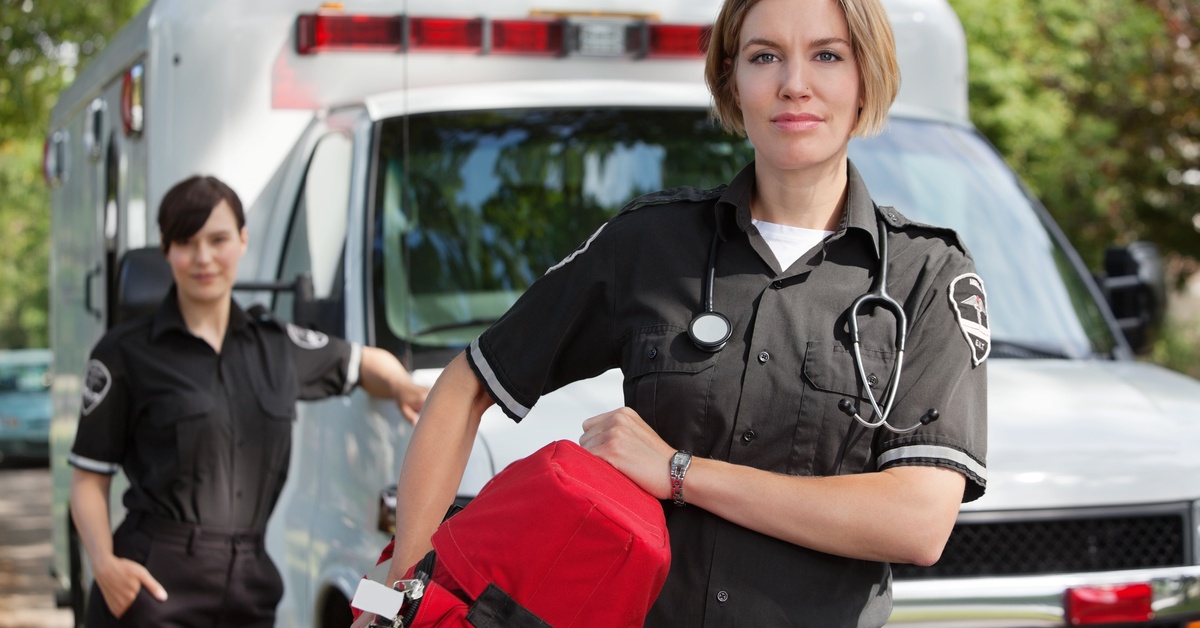
Some suppliers group birthing supplies under midwife equipment, but EMS use demands speed, durability, and standardized packaging. Crews benefit most from single-use sterile items, clear labeling, and a layout that stays consistent across units. When procurement teams shop categories, they can still pull the best options from that midwife equipment umbrella without changing how EMS teams think or train.
Focus on function over labels: fast access, simple steps, and reliable performance in awkward spaces. A kit built for field realities supports better teamwork on scene and smoother transfer at the receiving facility.
Training and Restock Discipline
A stocked bag only helps when crews practice with the bag. Build quick scenario drills that force hands to find clamps, warming gear, suction tools, and pads without rummaging. Pair drills with a restock checklist that someone completes on every shift change or rig check.
If the agency tracks supply expiration dates, tag each kit with a visible review date. Rotate near-expiration items into training if policy allows. That habit keeps supplies current and keeps crews familiar with packaging and opening methods.
A Solid Kit Lets EMTs Do What EMTs Do Best
Prehospital delivery calls demand calm work in messy places, with limited time and no second chances for missing basics. When EMTs have the right items for prehospital deliveries, teams reduce chaos and speed up care.
The goal stays simple: support a safe delivery, support a stable newborn, and support a clean handoff. A well-built kit does not replace clinical judgment, but a well-built kit gives clinical judgment the tools it needs.
Recent Posts
-

Tips for Maintaining Milk Supply When Returning to Work
Returning to work after welcoming a baby introduces logistical, emotional, and physiological challen
-

9 Items EMTs Should Have Stocked for Prehospital Deliveries
Prehospital deliveries rarely announce themselves with perfect timing. One minute you take a routine